
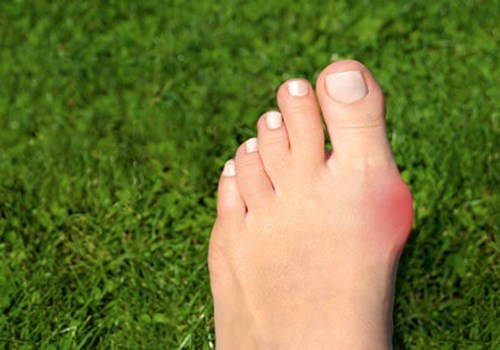
What Is a Bunion?
A bunion is a abnormal deformity of a joint connecting the big toe to the the rest of the foot The big toe often leans / bends towards the other toes and the joint becomes enflamed and causes pain. The onset of bunions is typically gradual. If not treated other complications typically arise such as arthritis.
Bunion Treatment
Bunions (scientific name: Hallux Abducto Valgus), despite being known to be a common foot deformity has lot of misconceptions about it. Ironically, people unaware of it continue to writhe in pain for long time (sometimes 'years') before being diagnosed with it and going for treatment.
Step Ahead offers leading edge treatment approaches and clinical facilities to treat bunions as well as all other foot ailments.
- Austin
- Kalish
- Closing base wedge
- Total implant arthroplasty
- Tailors bunionectomy
> Contact us for a consultation today!
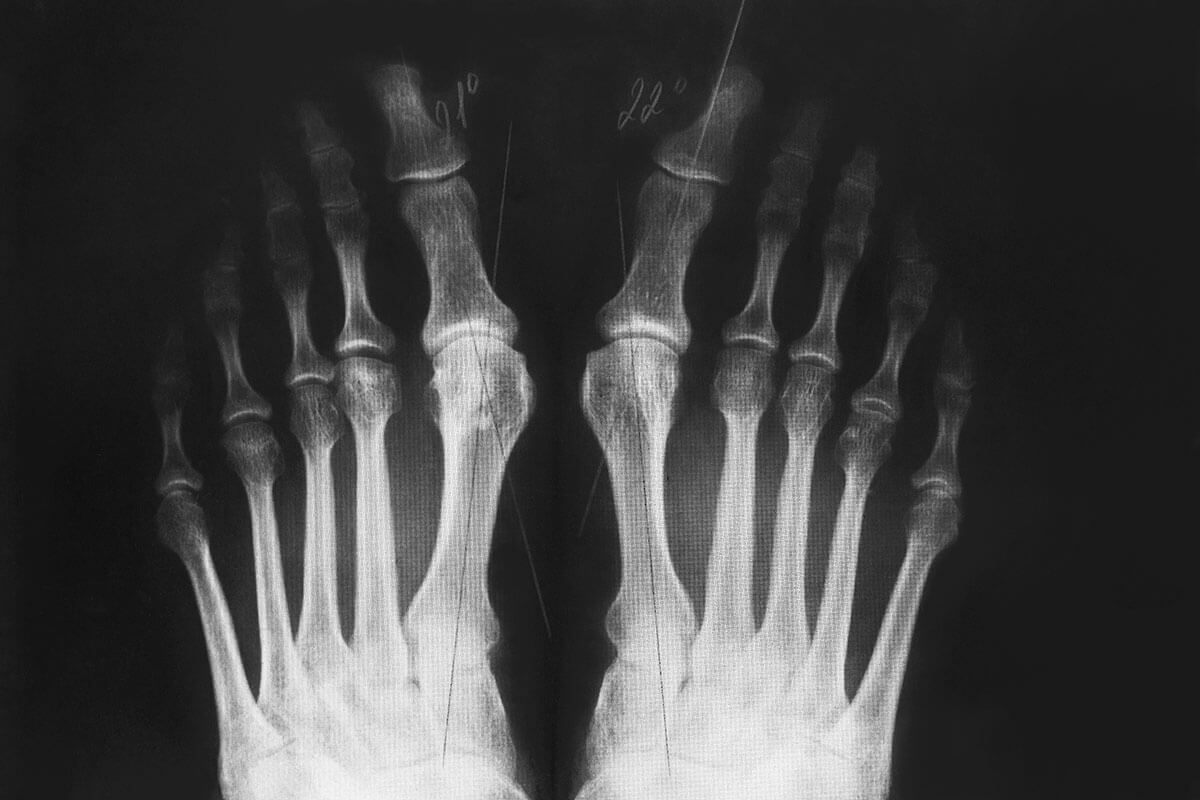
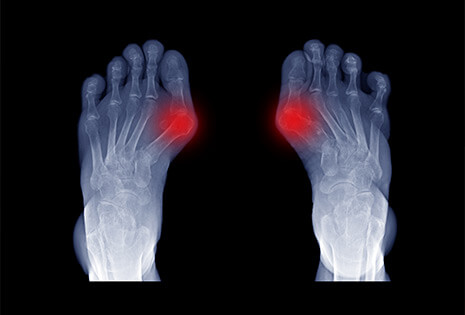
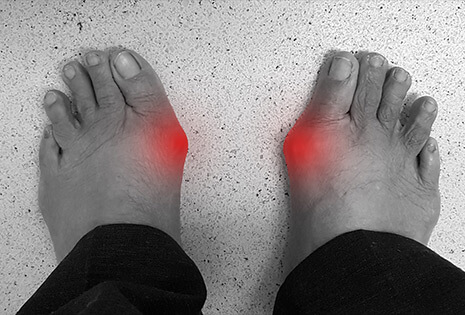
Not finding what you're looking for? Here are some of our most searched for podiatry services.
Additional Resources:
Foot Related Resources:
Step Ahead Podiatry Is Committed To Helping You Gain The Freedom To Walk Pain Free Again...
What causes bunions to form on the foot?
Bunions develop when the big toe gradually shifts inward toward the other toes, causing a misalignment of the joint at the base of the toe. This creates a bony bump that becomes more prominent over time. The main causes include genetic foot structure, weak or unstable ligaments, and biomechanical imbalances such as flat feet. Tight or narrow footwear can worsen the condition but is not usually the root cause. Over time, pressure on the joint leads to inflammation, pain, and progressive deformity if not managed properly.
How do I know if my bunion needs treatment?
A bunion typically needs treatment when it begins to cause persistent pain, difficulty walking, or problems fitting into shoes. Early signs include a visible bump at the base of the big toe, redness, swelling, and soreness after activity or wearing footwear. If symptoms start affecting daily life or worsen over time, professional evaluation is recommended. Untreated bunions tend to progress, so early intervention helps slow worsening and reduce discomfort.
Can bunions get worse over time if untreated?
Yes, bunions are a progressive condition and usually worsen over time if left untreated. As the big toe continues to drift out of alignment, the bony bump becomes larger and more painful. This can lead to increasing difficulty wearing shoes, walking discomfort, and even secondary issues like arthritis in the joint. Without intervention, the deformity continues to develop, making later treatment more complex.
What are non-surgical bunion treatment options?
Non-surgical treatment options focus on reducing pain and slowing progression rather than correcting the deformity itself. These include wearing wide-toe-box shoes, using orthotics to improve foot alignment, padding to reduce pressure, toe spacers, and anti-inflammatory medications. Physical therapy and activity modification may also help reduce strain on the joint. While these methods can improve comfort, they do not permanently fix the bunion structure.
When is bunion surgery necessary?
Bunion surgery is usually considered when pain becomes chronic, walking is significantly affected, or conservative treatments no longer provide relief. Surgery may also be recommended if the deformity progresses to the point where footwear cannot accommodate the foot. The goal of surgery is to realign the bones and correct the structural problem causing the bunion. It is generally reserved for moderate to severe cases where quality of life is impacted.
How painful is bunion surgery recovery?
Bunion surgery recovery involves some expected discomfort, especially in the first few days after the procedure. Pain is typically managed effectively with prescribed medication, elevation, ice, and protective footwear. Most patients report that pain decreases significantly after the initial healing phase. Swelling and stiffness may persist for weeks, but these gradually improve with proper care and follow-up. The level of discomfort varies depending on the surgical technique used and individual healing response.
Can orthotics help reduce bunion pain?
Yes, orthotics can help reduce bunion-related pain by improving foot alignment and redistributing pressure away from the affected joint. While they do not correct the bunion itself, they can slow progression and improve walking comfort. Custom orthotics are especially useful for patients with flat feet or biomechanical imbalances that contribute to bunion stress. They are commonly recommended as part of conservative management to delay or avoid surgery.
What shoes are best for bunion relief?
The best shoes for bunion relief have a wide toe box, soft materials, and good arch support. These features reduce pressure on the bunion area and allow the toes to sit in a more natural position. Low heels and flexible soles are also important to minimize joint stress. Avoiding narrow, pointed shoes is essential because they increase compression and worsen symptoms. Proper footwear plays a major role in managing pain and slowing progression.
Can bunions affect walking and posture?
Yes, bunions can significantly affect walking patterns and posture over time. As the big toe becomes misaligned, weight distribution across the foot changes, which can alter gait mechanics. This imbalance may cause discomfort not only in the foot but also in the ankles, knees, and hips due to compensatory movement patterns. If left unmanaged, bunions can contribute to long-term biomechanical issues that affect overall mobility and stability.
Are bunions genetic or caused by lifestyle?
Bunions are primarily linked to genetics and inherited foot structure, meaning some people are naturally more prone to developing them. However, lifestyle factors such as wearing tight or narrow shoes, high heels, and repetitive stress can worsen or accelerate their development. Foot mechanics like flat feet or ligament laxity also increase risk. In most cases, bunions are caused by a combination of genetic predisposition and external pressures rather than a single factor.