Custom Orthotics for Standing: A Practical Guide
September 09, 2026
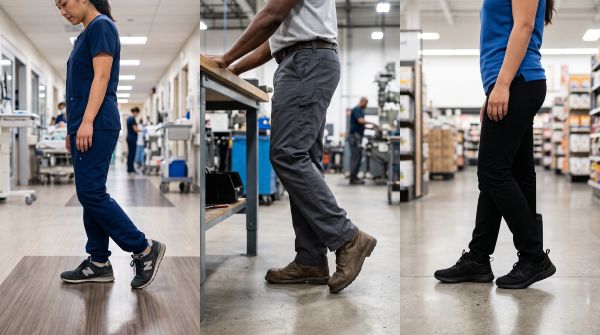
Custom orthotics for standing are shoe inserts tailored to an individual’s foot anatomy and support requirements, designed to alleviate pressure during extended periods of standing. They redistribute pressure and add sturdy arch support. They can relieve common pains like heel pain, sore arches, or fatigued legs after a long day. Individuals who stand on hard floors — from retail workers to healthcare professionals to factory laborers — sometimes swear by custom orthotics to maintain better posture and reduce daily pain. From soft foam to rigid plastic, materials are chosen depending on body weight, foot type, and work requirements. The following sections explain types, benefits, and how fitting works.
Read MoreMarathon Foot Pain: A Runner’s Recovery Guide
September 08, 2026
Marathon foot pain refers to tenderness, tension, or damage in the feet that manifests itself while running or following a long distance run. Most marathoners experience some form of foot pain — burning under the foot, sharp pain near the heel, or aching in the toes and arches after 20 km or more. Typical culprits are overuse, misguided training plans, improper shoes, road surfaces of concrete, and cumulative damage from little things like blisters or bruised nails. Foot pain can stall your pace, alter your running form, and increase the likelihood of related injuries in your knees or hips. To help you sort through what is normal and what is a warning sign, the following sections outline causes, symptoms, home care strategies, and when to seek medical attention.
Read MorePediatric Foot Health: When Should Parents Worry?
August 03, 2026
Pediatric foot health refers to how well a child’s feet grow, move and support their body from infancy through their teen years. Feet carry everything, from playground antics to academic baggage to athletic aspirations, meaning that tiny troubles in the toddler years can morph into pain, posture issues, or reduced range of motion down the line. A lot of common worries, such as flat feet, in-toeing, or tripping a lot, turn up as kids mature and meet new developmental stages. Certain signs remain mild and dissipate over time, while others require a more thorough examination with a pediatrician or podiatrist. To distinguish normal growing pains from actual issues, it pays to be aware of important symptoms, common timelines and easy measures that promote resilient, healthy feet.
Read MorePlantar Wart Treatment: What Actually Works
August 03, 2026
Plantar wart treatment refers to treating warts that develop on the bottoms of feet. These warts develop from specific strains of HPV that penetrate via small cuts or vulnerable areas on the skin. Most treat plantar warts with OTC salicylic acid, cryotherapy from a doctor, or stronger options for the really stubborn cases. We often hear people complain of pain and pressure when walking, along with small black dots in the center of the wart. In selecting a safe and effective choice, people typically balance price, duration, painfulness, and risk of scarring. The following sections deconstruct each treatment, how it works, and when to consult a doctor.
Read MoreShockwave Therapy: A Proven Fix for Foot Pain
July 24, 2026
Foot pain shockwave therapy is a non-invasive procedure that applies high-energy sound waves to stimulate healing and alleviate pain associated with injured tissue. Most clinics employ it for conditions such as plantar fasciitis, Achilles tendinitis, heel spurs, and chronic arch pain that do not respond favorably to rest, ice, or conventional physical therapy. Treatment sessions are short, typically less than 30 minutes, and do not require anesthesia in the majority of cases. Patients often experience diminishing pain over weeks as the tissue responds and improves. To help you understand the advantages, risks, costs, and who it is best suited for, the sections that follow explain how shockwave therapy works for real-world foot pain.
Read MoreHammertoe & Morton's Neuroma: Find Lasting Relief
July 10, 2026
Hammertoe and Morton’s neuroma are two common foot problems in which the toes and ball of the foot can often cause pain. Hammertoe typically signifies one or more toes bending in a rigid, claw-like position, which can cause sore spots, corns, and difficulty finding shoes that fit. Morton’s neuroma sometimes resembles a sharp, burning pain or a pebble under the ball of the foot, most commonly between the third and fourth toes. Both problems often associate with constrictive footwear, foot anatomy, or hours spent on your feet. To help sort out symptoms, causes, and primary treatment paths, the following sections break things down in a straightforward manner.
Read More