Pediatric Heel pain is a common complaint in children. It is often associated with these signs and symptoms:
- Constant or recurring pain in the back or bottom of the heel
- Limping
- Walking on toes
- Difficulties during usual activities or sports

CAUSES
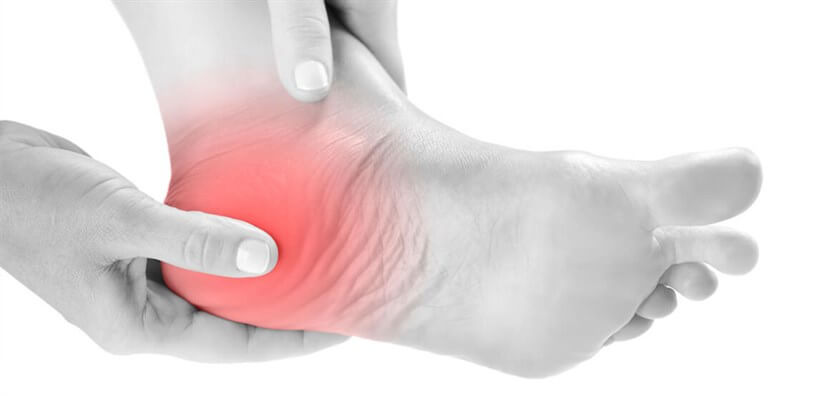
Calcaneal Apophysitis: This is a condition caused by the inflammation of heel's growth plate due to muscle strain and repetitive stress. It usually causes pain and tenderness at the bottom of the heel while walking and pain is felt on the heel when touched.
Tendo-Achilles Burtis: This is an inflammation of the fluid-filled sac (bursa) located between the Achilles tendon (heel cord) and the heel bone. This is caused by injuries to the heel, certain diseases such as; juvenile rhemuatoid arthritis or by wearing poorly cushioned shoes.
Fractures: In some cases, heel pain results due to an injury in the bone. Hair line fractures resulting from repeated stress on the bone, often occur in adolescents engaged in athletic activities. In children under the age of 10, acute fractures can result from simply jumping from a couch or stairway.
DIAGNOSIS
To diagnose the actual cause of Pediatric heel pain, the doctor first reads a thorough medical history and asks questions about recent activities. X Rays are also used to evaluate the condition and in some cases the bone scan, a magnetic resonance imaging (MRI) study or CT scan may also be recommended.
What is pediatric heel pain?
Pediatric heel pain is a common condition in growing children and is often associated with discomfort in the back or bottom of the heel. It can cause limping, toe-walking, or difficulty participating in sports and daily activities. One of the most frequent causes is inflammation of the heel’s growth plate due to repetitive stress and muscle tension. This condition is especially common in active children and adolescents during growth spurts when bones grow faster than muscles and tendons can adapt.
What causes heel pain in children?
Heel pain in children is most commonly caused by calcaneal apophysitis, also known as Sever’s disease. This occurs when the growth plate in the heel becomes irritated due to repetitive impact activities such as running or jumping. Tight calf muscles, rapid growth, and poorly cushioned footwear can also contribute to the condition. In some cases, other causes such as Achilles tendon inflammation or even stress fractures may be responsible, particularly in active adolescents involved in sports.
What are the symptoms of pediatric heel pain?
Common symptoms include persistent or recurring pain in the back or bottom of the heel, limping, and difficulty with sports or physical activity. Some children may begin walking on their toes to avoid pressure on the heel. Pain is often worse during or after activity and may improve with rest. In more severe cases, children may avoid putting weight on the affected foot altogether, which can impact normal movement and daily routines.
What is Sever’s disease?
Sever’s disease (calcaneal apophysitis) is an inflammation of the growth plate in the heel bone caused by repetitive stress and strain from physical activity. It is one of the most common causes of heel pain in children, particularly those involved in sports. The condition typically occurs during growth spurts when the heel bone grows faster than the surrounding muscles and tendons, leading to tension at the growth plate. While painful, it is a temporary condition that usually resolves once growth is complete.
Can sports cause heel pain in children?
Yes, sports are a major contributing factor to pediatric heel pain. Activities that involve running, jumping, or sudden changes in direction place repeated stress on the heel’s growth plate. Sports such as soccer, basketball, and gymnastics are commonly associated with this condition. When combined with tight calf muscles or inadequate footwear, the risk of developing heel pain increases significantly. Managing activity levels and ensuring proper support can help reduce symptoms and prevent worsening of the condition.
How is pediatric heel pain diagnosed?
Diagnosis typically involves a physical examination and a review of the child’s activity level and symptoms. A podiatrist may assess tenderness in the heel and evaluate walking patterns. In some cases, imaging such as X-rays may be used to rule out fractures or other structural issues. Since several conditions can mimic heel pain, a thorough assessment is important to identify the exact cause and determine the most appropriate treatment plan.
What treatments are available for pediatric heel pain?
Treatment usually focuses on reducing inflammation and relieving stress on the heel. Common approaches include rest, ice therapy, stretching exercises for the calf muscles, and supportive footwear with good cushioning. Heel cups or orthotic inserts may also be recommended to absorb shock and reduce pressure on the growth plate. In most cases, symptoms improve with conservative care and activity modification, allowing children to gradually return to normal activities without pain.
Should children stop playing sports with heel pain?
Children do not always need to completely stop sports, but activity levels may need to be modified depending on the severity of symptoms. High-impact activities that worsen pain should be reduced or temporarily avoided. Low-impact exercises and stretching may be encouraged instead. The goal is to allow the heel to recover while maintaining overall fitness. A podiatrist can help determine a safe level of activity based on the child’s condition.
Can pediatric heel pain come back?
Yes, pediatric heel pain can recur, especially if the underlying causes such as tight calf muscles, high activity levels, or poor footwear are not addressed. Growth spurts can also trigger repeat episodes. However, with proper management including stretching, supportive shoes, and orthotics when needed, the frequency and severity of recurrence can often be reduced. Most children eventually outgrow the condition once their growth plates close.
When should a child see a podiatrist for heel pain?
A child should see a podiatrist if heel pain persists for more than a few days, causes limping, limits activity, or worsens despite rest and home care. Early evaluation is especially important if pain is severe or recurring, as this helps rule out other conditions such as fractures or infections. Prompt treatment can relieve discomfort, improve mobility, and prevent the condition from interfering with normal growth and activity.