December 26, 2025
Key Takeaways
-
Improperly fitting or formed footwear can indeed cause plantar fasciitis, heel pain, bunions, and nerve pinching. Then, pick a true-to-size shoe with a wide toe box and adequate depth.
-
Support is important for alignment and fatigue. Focus on firm heel counters, stable midsoles, and real arch support. Deploy custom orthotics if you have specific biomechanical issues.
-
While you’re at it, replace worn soles early since they cause instability and joint strain. Rotate pairs and watch shoes for uneven wear, diminished cushioning or loss of traction.
-
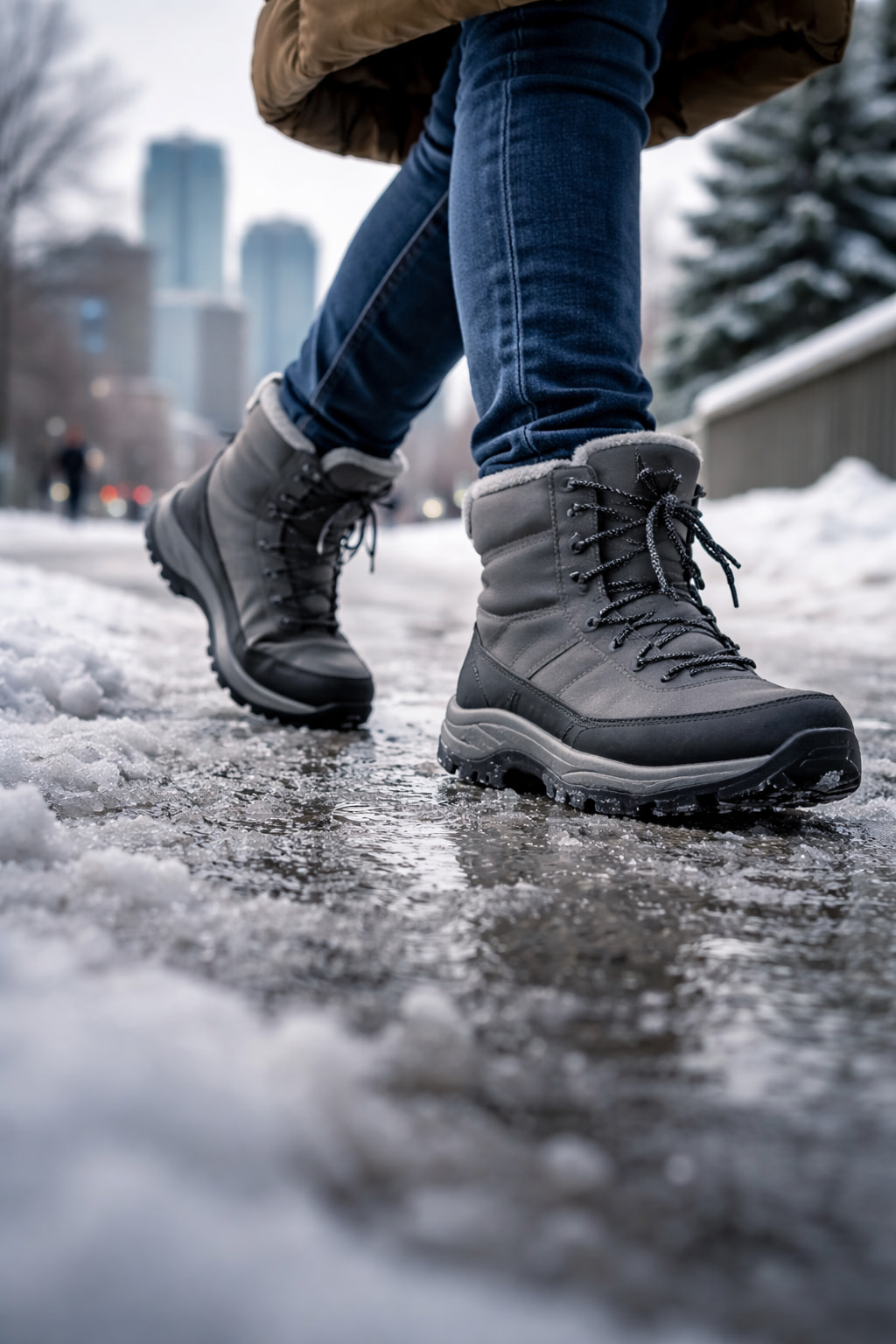
Pair shoes with Edmonton’s ice, slush, and heat. Pick insulated, waterproof, slip-resistant boots for the winter and breathable, supportive shoes for summertime fun.
-
Comfort from day one is a sure rule. Steer clear of ‘breaking in’ tight or painful shoes to prevent blisters, calluses, and long-term deformities.
-
Address lingering pain or gait modifications with a professional evaluation. Gait analysis, custom orthotics, and a replacement schedule of about 500 to 800 kilometers.
Foot pain shoes Edmonton are shoe solutions that relieve pain in the heel, arch, forefoot, ankle, or other parts of the foot with improved fit, support, and pressure relief. Local stores stock styles with supportive heel counters, roomy toe boxes, and arch support to assist plantar fasciitis, bunions, flat feet, and neuromas. Common brands carried are ASICS, New Balance, Brooks, HOKA, and Birkenstock, with orthotic-friendly styles for custom insoles. Clinics and specialty shops in central and south Edmonton provide gait checks, width sizing, and on-site orthotics. For everyday wear, cushioned midsoles and rocker soles can reduce stress on long walks. For work, slip-resistant outsoles and leather uppers provide grip and strength. The sections below map out major retailers, fit advice, and price ranges.
How Your Shoes Cause Pain
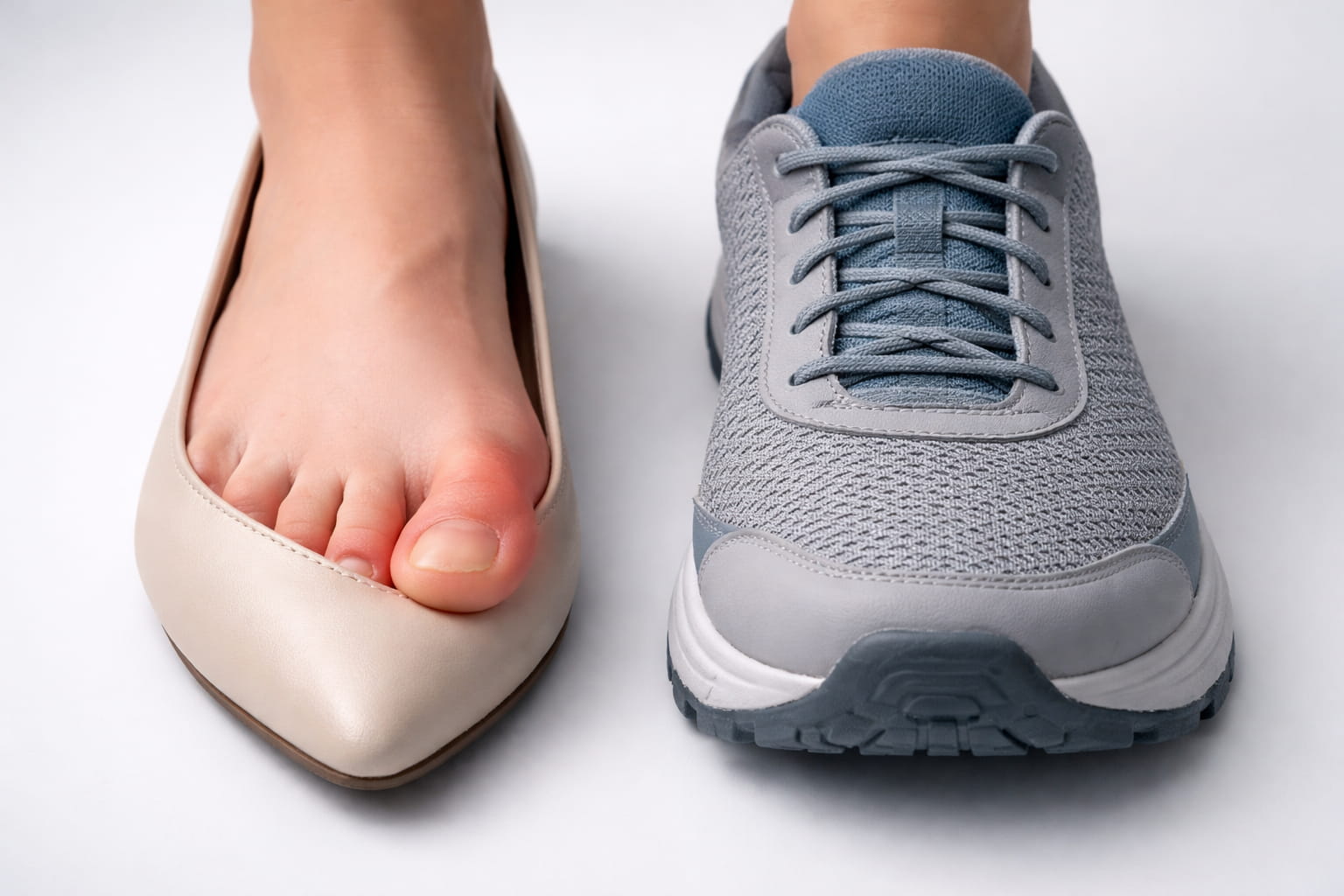
Shoes alter how your foot loads, moves, and absorbs impact. Bad picks redistribute pressure to the toes, heels, and arches. Eventually, this alters gait, agitates soft tissue, and can cause chronic discomfort such as plantar fasciitis or metatarsalgia. Fit, shape, support, wear, and heel height all contribute.
1. The Wrong Size
Sizing mistakes fuel blisters, calluses, nail trauma, and toe deformities. Shoes that are too tight increase pressure on the forefoot and arch. Shoes that are too loose create slip, friction, and a sloppy gait that tears the plantar fascia and calves.
Have both feet measured every 6 to 12 months. Your size can fluctuate with age, weight fluctuations, pregnancy, or medical conditions. Verify length with approximately 1.3 cm (1/2 inch) from the longest toe to the end. Test shoes in the socks or orthotics you wear daily for width, depth, and heel hold. Assuming mild heel pain from a bad fit will never worsen can turn into debilitating plantar fasciitis.
2. The Wrong Shape
Tight toe boxes and narrow vamps bunch up toes, pushing bunions, hammer toes, and nerve compression with burning or numb areas. Fashion-first shapes that disregard a wide forefoot or high arches tend to overburden the incorrect places.
Choose a wide, rounded toe box and sufficient depth to accommodate deformities or orthotics without chafing. Check the in-shoe contours: does the arch line up with your arch, and does the forefoot match your foot’s spread? If the internal last battles your foot, pain ensues.
3. The Lack of Support
Shoes without any real arch support or cushioning can fuel flat feet, overpronation and end-of-day fatigue. Flat shoes that you stand in for hours tend to exacerbate arch pain because they provide virtually no midfoot assistance.
Seek out a stiff heel counter and stable midsole that directs the heel and controls over-pronation. If you have plantar fasciitis, arthritis, or a rigid high arch, go for orthopedic shoes and/or custom orthotics. Avoid cushy, cookie-cutter insoles for extended wear. They camouflage, not correct, alignment.
Simple daily calf and plantar fascia stretches aid in unloading the strain caused by unsupportive shoes.
4. The Worn-Out Sole
Look for uneven wear, slick tread, or a midsole that won’t rebound. These indicators decrease impact control and increase fall and joint danger.
Rotate pairs to let foam recover, and replace shoes or inserts at early breakdown to prevent flares of heel or forefoot pain. Worn soles change your gait and compound stress.
5. The Improper Heel
Heels over 6.4 cm increase forefoot load, change stride, and increase ankle sprain risk. Hard-soled shoes or shoes constructed higher than necessary can traumatize the Achilles and plant heel spurs.
Opt for a moderate heel with a wide, stable base. If you have to wear dress shoes, wear supportive inserts or accommodative orthotics to help with heel comfort and posture. Keep high-heel time brief and diversify height throughout the week. Flat, unsupportive sandals can ignite heel and arch pain when worn all day.
Understanding Your Foot's Mechanics
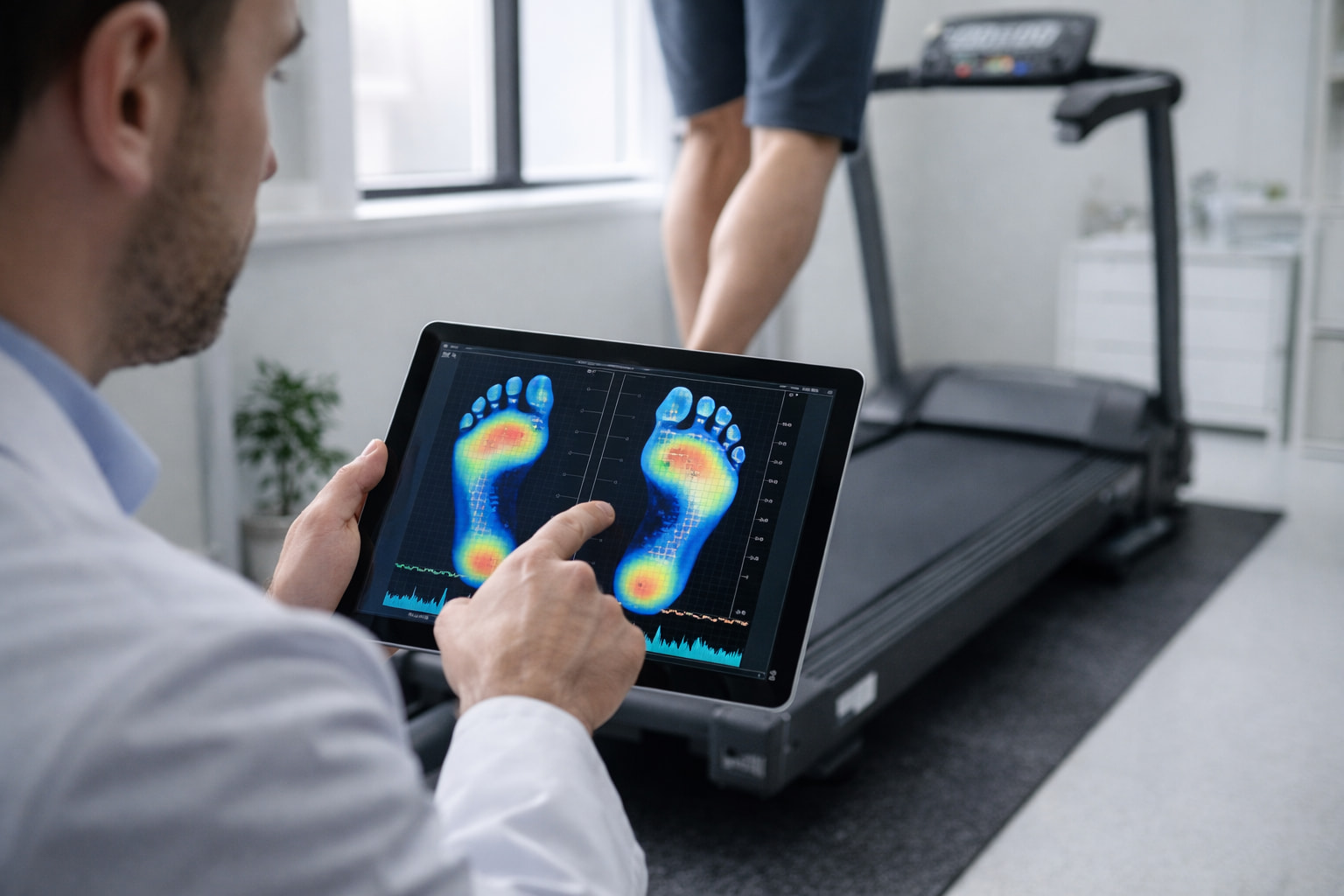
Foot structure and movement lay the foundation for comfort, performance, and injury risk. A good picture of your arch type, gait, and load patterns lets you select shoes that are tailored to you and catch issues early.
Flat, neutral, and high arches load your foot differently. Flat feet have a tendency to overpronate, which puts stress on the plantar fascia and the inside of the knee. High arches tend to underpronate, which moves force to the outer foot and the shin. About: Knowing your foot’s mechanics
Neutral arches distribute force more evenly but still require a good fit. Gait is just as important. A long stride and hard heel strike lead to a strained heel and Achilles. Fast shuffling can overload the forefoot. Your job factors into the equation — folks who stand or walk all day typically require additional cushioning, midfoot support, and a firm heel counter to reduce everyday stress.
Biomechanics connects foot pain to broader chain problems. Overpronation causes plantar fasciitis, tibial stress from shin splints, and medial knee pain. Restricted ankle dorsiflexion can offload the load to the midfoot and the knee. Weak hip control can push the knee inward, which the foot attempts to correct by rolling, leading to arch exhaustion. Small changes add up: a worn-out insole, a stiff big toe, or a tight calf can shift pressure and spark pain.
Be on the lookout for indicators that your mechanics are off. Nagging heel or arch pain, ankle swelling, hot spots under the ball of the foot, or callouses in weird places all indicate bad load distribution. Uneven shoe wear, toes that grip the insole, or a foot that turns in or out when you walk are typical red flags. Foot pain and bad alignment often lurk until they wreak havoc on your work, errands, or training.
Plan checks and care as you would for eyesight. A seasonal biomechanical check can analyze arch height, joint range, gait video and shoe wear, then inform shoe characteristics and orthotics. Custom orthotics can alleviate symptoms and stabilize alignment during everyday activities. Wear them during the majority of your weight-bearing activities, including walking, standing, and working, for optimal impact. Back this up with simple habits: wash with mild soap, dry well, and moisturize to prevent dry skin. Pick shoes with the right width, depth, and midfoot support. Add short foot exercises, calf raises, big-toe mobility, and towel curls to build strength. Make these drills a daily habit to maintain gains.
Navigating Edmonton's Terrain
Edmonton foot pain shoes must contend with ice, slush, rain, and heat swings. Icy sidewalks and wet trails increase slip hazard, while rough, uneven terrain can sap arches and heels. Quality boots with slip-resistant soles, waterproof uppers, and insulation prevent falls, cold stress, and flare-ups of heel pain, such as Plantar Fasciitis. Navigate Edmonton’s Terrain for work or long days on foot. Opt for models constructed for local weather and your job tasks to stay comfortable and on the move.
Winter Challenges
Spanning Edmonton’s Terrain, insulated waterproof boots with deep lugs and rubber that stays grippy in sub-zero temperatures reduce slip hazard on ice and packed snow. Find a shoe with a firm heel counter, midfoot shank, and sufficient cushioning to alleviate tension on the plantar fascia. This matters on days when sidewalks ice over and heel pain is already rampant among those who wander or stand for hours.
Orthotic friendly winter boots keep support consistent. Choose styles with detachable insoles and a square last so custom orthotics lie flat. If you’re diabetic, stay away from those tight toe boxes that can rub. Daily foot checks detect blisters or cuts early, podiatrists say.
Dry boots completely after snow or slush. Pull liners out, lay in newspaper or a boot dryer, and most of all, use no high heat that can crack leather. Drying reduces the probability of fungal infections and odor.
Slap some moisture-wicking socks under a thermal layer during very cold snaps. This combo wicks sweat, wards off blisters, and combats frostbite as the wind chill dips.
Summer Surfaces
Tenuous flip-flops and soft slides on solid or uneven terrain wear out arches and heels and they increase the potential for stumbles on the rough or rocky paths that persist in fragments of the city. If you have Plantar Fasciitis, flat sandals typically make your morning heel pain worse.
Opt for breathable shoes with mesh uppers, rocker soles and firm arch support for strolls, festivals or park trails. A padded midsole aids on pavement and extended days outdoors. For sport or long city saunters, add orthotic inserts in sneakers or tennis shoes to support the heel and stabilize the foot.
Watch for swelling, tiredness, or hot spots in the heat. Adapt with wider toe boxes, moisture-wicking socks, or lacing modifications. Diabetics should check feet daily, avoid rubbing seams, and seek prompt care for any sores.
Daily foot stretches and strength work help me get around all year!
The Myth of "Breaking In"
A lot of us assume first-pain shoes will stretch. Most of the time, they won’t. Pain is a red flag for poor fit, wrong size or weak support. If the heel slips, the toes rub or the arch feels funky, the shoe isn’t right for your foot. It’s the same story if you shop in Edmonton or elsewhere. Foot pain shoes should be stable and kind on day one, not day thirty.
Shoes, too, if they’re uncomfortable, do damage. To coerce feet to “break in” a constricted toe box can generate blisters in days and calluses in weeks. Constant pressure on the big toe joint or fifth toe can trigger bunions and tailor’s bunions, respectively, as time goes on. A stiff back counter digging into the heel can cause bursitis. Long-term shape change can ensue, like hammertoes or claw toes, if the toes continue to battle for room. When a shoe impedes the foot’s natural line, the body will redistribute load further up the chain, which can induce knee or back pain. These hazards increase when you work long hours on unforgiving floors.
Pick shoes that fit right out of the box. Good signs include even pressure under the whole foot, a snug heel without slip, room to wiggle the toes, and an arch that meets your arch, not presses past it. If you can, walk 100 to 200 meters in the store. If a seam rubs, a strap bites, or the forefoot bends at the wrong place, pass. For daily use, seek out a stable midsole, a firm heel counter, and a rocker or flex groove that bends at the metatarsal heads.
Return or swap pairs that cause pain or hot spots on day 1. Most stores will exchange if they’re clean and lightly worn inside. Save the box, observe the pressure point, such as the lateral forefoot, and request a different size, width, or last shape.
What about bespoke orthotic devices? Others claim they require a break in so foot and insert get used to each other. Research indicates that real break-in could be a myth when the fit and materials are correct. Well-crafted tools afford and feel helpful immediately. Their comfort is derived from proper casting, posting, and material selection, not from time. Typical materials are flexible plastics, EVA, and polyethylene foams. Newer polyamide powders can enhance durability and shape precision. They last two to five years with attention. Check and renew them every two to three years, because feet do change.
Choosing Supportive Footwear
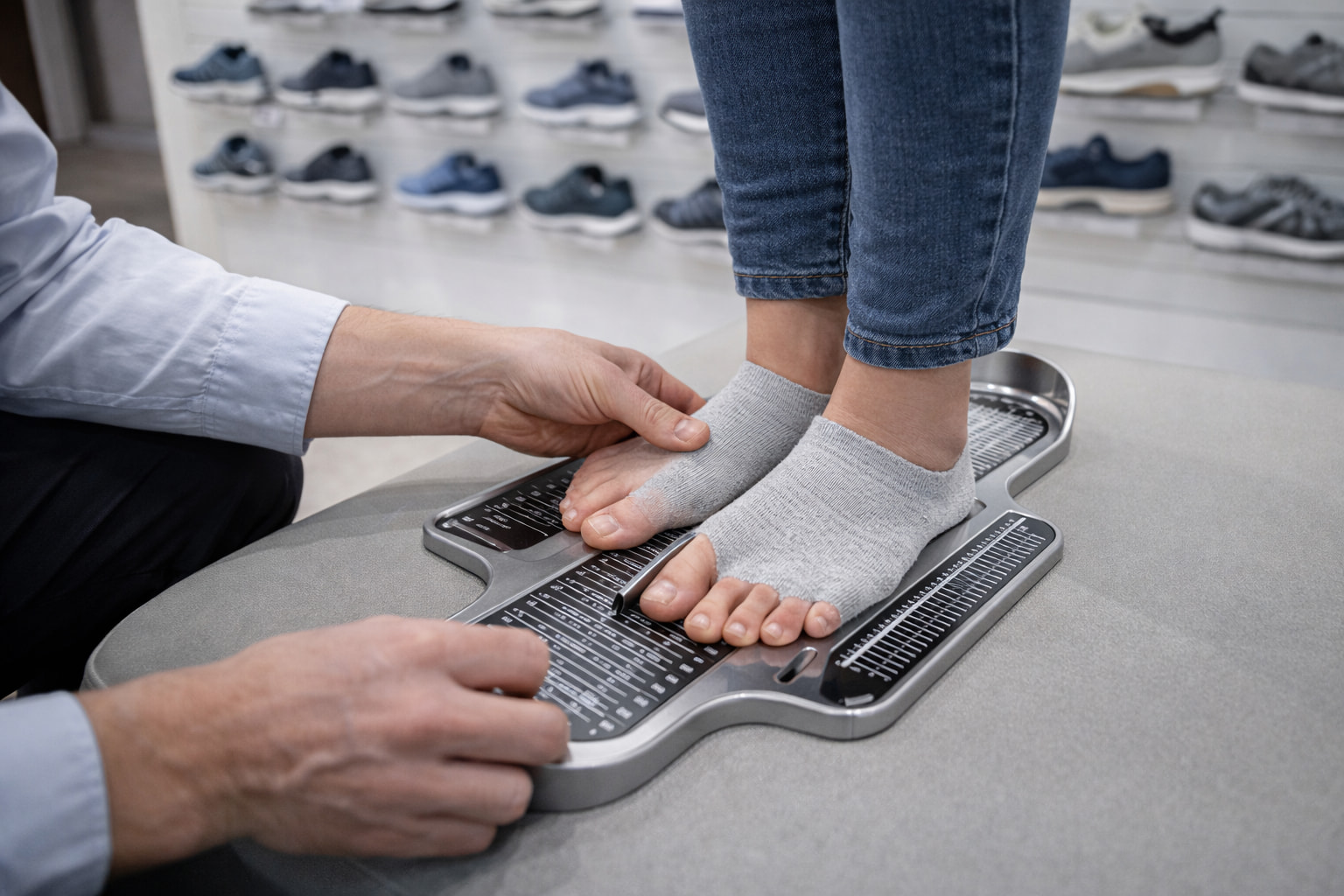
Support begins with fit, foot type, and usage. Pair shoes to your arch height, foot shape, and daily load. Bunion, callus, plantar fasciitis, and diabetes will most likely require you to use arched support and space up in the forefoot. Be sure to measure both feet. Sizes change as you get older and one foot is almost always bigger. Test shoes late in the day when feet swell, allow 1.5 cm (0.5 in.) room at the longest toe, and limit heels to 5 cm (2 in.) or less. Pro fitting helps verify length, width, arch profile, and pressure points and results in brand and model recommendations linked to your requirements. Bring orthotics to try on inside the shoe. A basic scorecard accelerates decisions and reduces ambiguity.
Key Features
-
Wide toe box to alleviate bunion and toenail compression.
-
Solid heel counter stabilizes the rearfoot and minimizes wobble.
-
Arch support matched to foot type for even load
-
Cushioned footbed for shock control and long-wear comfort
-
Removable insoles for custom orthotics or extra pads
-
or moderate heel-to-toe drop with heel height under 5 centimeters (2 inches)
-
Rocker or mild forefoot rocker is beneficial for plantar fasciitis or metatarsal pain.
-
Flexible stretch uppers to ease hot spots and deformities
-
Midfoot shank for torsional control on uneven ground
-
Lightweight build to cut fatigue on long days
Test flex on the balls of the feet, not the arch. Stand, walk, and turn around. Shoes must support the heel and allow the toes to spread. Measure both feet and select the size that accommodates the bigger foot.
Material Matters
Breathable uppers and moisture-wicking linings reduce heat, odor, and fungal risk. Mesh with overlays or knit with structure works well in warm months.
For all-weather and mixed terrain, opt for sturdy leather or coated synthetics. They provide support, maintain form, and wash easily.
Look for shock-absorbing midsoles, such as EVA, PEBA, or blends, and slip-resistant rubber outsoles with tread that grabs onto wet sidewalks. Stay away from hard, rigid constructions that prevent natural bend and chafe skin.
When to Replace
Shoes last between 500 and 800 kilometers, or 300 and 500 miles. Swap out sooner if the sole is uneven, slanted, or cracked, the cushioning feels lifeless, or your knees throb after normal wear.
Monitor wear by recording mileage or weeks used. Pay attention to changes in fit, support, or new hot spots, as these frequently indicate it is time for new shoes or fresh orthotics.
|
Condition |
Timeline/Trigger |
|---|---|
|
Distance-based wear |
500–800 km (300–500 miles) |
|
Sole breakdown |
Flattened tread, uneven wear, cracks |
|
Support loss |
Heel slop, midfoot twist, dead cushioning |
|
Comfort change |
New pain, hotspots, tingling or numbness |
|
Orthotic update |
After device changes or new diagnosis |
Your Path to Lasting Relief
Foot pain heals when you address the source, not just cover it up. Begin with the right diagnosis, then pair treatment, shoes, and habits to your specific needs. Keep checking ahead and adapt as your feet and activities evolve.
-
Get a clear diagnosis: book a gait analysis and biomechanical exam and a health history review.
-
Pick shoes that have the proper support for your arch and symptoms.
-
Use custom or prefabricated orthotics when needed.
-
Add strength, stretch, and balance work.
-
Support recovery with rest, weight management, and skin care.
-
Reevaluate every 3 to 6 months and update devices and shoes as necessary.
Professional Assessment
Book an in-depth gait analysis and biomechanical exam with a podiatrist or advanced footcare nurse. A comprehensive evaluation examines foot type, leg length, joint range of motion, and your ground strike over 5 to 10 kilometers of everyday walking. Subtle changes, such as late stage pronation or decreased ankle dorsiflexion, frequently account for chronic plantar heel pain or forefoot overload.
Custom analysis identifies arch type, alignment and function under true load. This assists in choosing shoes with the appropriate midsole density, heel-to-toe drop, and torsional control. It directs if you require custom orthotics or basic insoles.
Your health history counts. Old injuries, diabetes, autoimmune issues, and training volume all play a role in tissue healing and device selection. Chronic pain, deformities, nerve symptoms, or recurring ulcers demand professional treatment and at times predetermined orthotics or medical equipment. Laser therapy can help with pain management and tissue healing in specific situations.
Custom Solutions
Custom orthotics follow a process: casting or 3D scan in neutral, lab fabrication to your prescription, fitting in-clinic, and follow-up tweaks after 2 to 6 weeks. Plan on break-in time and minor tweaks.
They can offload the plantar fascia, correct bad mechanics and ease bunion, metatarsal or posterior tibial strain. Combine orthotics with good shoes that support your arch and gait. Footwear is not just about comfort; it’s about structure all day.
For intricate requirements, try orthopedic shoes, accommodative orthoses, or limb braces. For severe cases, full recovery can take months.
Ongoing Care
Schedule follow-ups to check wear patterns and modify devices. Replace shoes every 375 to 500 miles. Update orthotics when lifestyle or wellness changes.
Do daily care: wash with mild soap, dry well, moisturize. Sleep allows tissue to repair. Weight management reduces impact on every stride.
Your route to permanent relief. Strength drills and balance work, such as single-leg stands, develop stability. Select shoes based on arch and activity. Use metric sizing if possible.
Conclusion
Foot pain has obvious origins. Shape, fit, and wear count. Local ground in Edmonton exerts extra stress with ice, slush, and heavy hikes. There is no magic break-in remedy. Good shoes help now!
To slash pain, inspect three areas. Make sure that the shape of the shoe matches your foot. Look for a sturdy heel, arch support and space for your toes. Choose grip that adapts to iced and wet walks. For on-the-fly edits, test swapping insoles, lace locks or heel pads. For midfoot pain on Jasper Ave, go for a solid midsole. For toe cramps on Whyte Ave, size up and go wide.
So next, take an audit of your existing shoes. Pay attention to pain hot spots. Make one change this week. Here for foot pain shoes Edmonton. Schedule a fit check with a local clinic or boutique.
Frequently Asked Questions
What features should I look for in shoes to reduce foot pain?
Opt for shoes that have firm heel counters, midfoot support, and cushioning. Seek out a stable sole with a mild rocker, wide toe box, and proper depth. Focus on a tight fit and minimal torsion. Put in new insoles. These properties enhance alignment and minimize strain on joints.
Can the wrong shoes really cause foot pain?
Yes. Bad fit and flimsy support can overtax your arches, heels, and forefoot. This can induce plantar fasciitis, bunions, and neuromas. Good structure and fit assist in distributing pressure evenly and protecting soft tissues.
Do I need different shoes for Edmonton’s winter and summer?
Yes. In winter, opt for insulated waterproof shoes with grippy outsoles. In summer, opt for airy, supportive sneakers or walkers. Seasonal changes in surfaces and temperature impact traction and foot swelling, so tweak fit and features accordingly.
Is “breaking in” painful shoes a good idea?
No. Shoes must fit nice and comfortable right away. Discomfort that occurs while breaking in indicates bad fit or support. Constant pain can lead to harm. If a shoe has to be stretched to be okay, it is the wrong shoe for your foot.
How do I know if my foot pain needs professional help?
Look for treatment if the pain persists beyond two weeks, wakes you at night, or significantly reduces your ability to walk. Swelling, numbness, or sharp heel or arch pain are red flags. A clinician can evaluate mechanics, recommend orthotics, and prevent long-term issues.
What is the best way to measure my feet for a proper fit?
Have both feet measured at the end of the day while standing. Foot Pain Shoes Edmonton leave roughly a thumb’s width in front of the longest toe. Make sure of heel security, midfoot lock, and toe wiggle room. Test on a hard floor.
Can insoles or orthotics help if I stand all day?
Yes. Good insoles or custom orthotics provide arch support and heel cushioning. They help with alignment and reduce fatigue. Team them up with supportive shoes. Swap out factory insoles if they are cheap or old.
Looking for some more resources? Learn more about our comprehensive foot clinic services.
Comprehensive Medical and Surgical Care of Foot and Ankle Disorder
You might also want to check out these resources for your reference:
Canadian-Specific Foot Care Information