
December 12, 2025
Key Takeaways
-
Distinguish plantar fasciitis from heel spurs by structure and origin for treatment. Plantar fasciitis is inflammation of ligaments, while heel spurs are bony growths that can be either painful or not.
-
Catch the common signs early so you don’t get stuck with a chronic problem. Watch for first-step morning pain, heel tenderness, rest stiffness, and post-activity pain.
-
Minimize risk by tackling overuse, biomechanics, and shoes. Wear supportive shoes, supplement with arch-supporting insoles, and avoid standing on hard surfaces as much as you can.
-
Go for an accurate diagnosis via physical exam, gait analysis, and imaging when symptoms are persistent. An accurate diagnosis guides treatment, ranging from conservative therapies to cutting-edge solutions when required.
-
Apply stratified care for healing and prevention. Add rest, ice, stretching, strengthening, physio or chiro, and custom orthotics to improve mechanics and relieve stress.
-
Adjust routines to local environment and activities. Modify footwear and routines for seasonal shifts, elite sports, and work requirements to reduce strain on the plantar fascia and heel.
Heel pain treatment Edmonton encompasses the spectrum of medical and allied health services in Edmonton that evaluate, diagnose, and treat heel pain due to causes like plantar fasciitis, Achilles tendinopathy, heel spurs, and nerve compression. Treatment typically begins with history, a gait exam, and imaging if necessary. Typical treatments consist of rest, ice, NSAIDs, foot orthotics, night splints, and structured calf and foot stretching. Clinics might provide shockwave therapy, corticosteroid injections, platelet-rich plasma, or taping. Severe or persistent cases may require immobilization or surgery. This range includes family doctors, physiotherapists, podiatrists, sports medicine, and orthopedic specialists. Waiting time and cost depend on the clinic and coverage. Below are the symptoms, causes, home steps, clinic options, and when to get urgent care.
Differentiating Your Heel Pain
If you’re experiencing heel pain, it’s probably plantar fasciitis or heel spurs. They can both restrict walking, standing, or exercise, but they affect different tissues and heal best with focused treatment. The right distinction guides treatment, expedites healing, and prevents recurrences.
-
Common signs include morning start-up pain, sharp heel stab, soreness after rest, pain with long walks or standing, stiffness in the arch, swelling or warmth, tenderness at the heel edge, tight calf or Achilles, and pain that lingers for more than two weeks.
1. The Cause
Overuse, foot mechanics, and thin or worn shoes stress the heel. High body mass, extended floor time, and an abrupt increase in loading all increase risk, especially between 40 and 60 years old.
Load on the plantar fascia, the band that runs from heel to toes, is often the beginning of chronic heel pain. Repeated strain creates tears and swelling. Whether it’s marathon running, too many jump shots, or standing on a concrete slab, these activities provide additional impact with each step and keep the tissue from healing.
Heel spurs develop as bony growths on the calcaneus where the fascia or adjacent muscles pull over time. Plantar fasciitis is primarily fascia irritation or micro-tearing. The spur itself can be silent. The fascia is typically the source of the stabbing pain.
2. The Symptoms
Heel spur symptoms can consist of stabbing pain with initial steps, a local tender point at the bottom front of the heel bone, and throbbing after long days on hard ground.
Plantar fasciitis' classic presentation is stabbing heel pain with your first steps out of bed or after sitting, which then subsides as you walk, only to return with prolonged standing or walking. Pain can track into the arch. Ice for 10 to 20 minutes can soothe a flare; transition to low heat if ice isn’t stopping it after 2 to 3 days.
Chronic, daily pain that compels you to curtail routine activities is not the same as a mild, self-limited strain. Achilles tendinitis, which is swelling at the back of the heel, can imitate or mix with these issues.
|
Feature |
Plantar Fasciitis |
Heel Spur |
|---|---|---|
|
Tissue |
Plantar fascia |
Bony growth |
|
Pain timing |
First steps after rest; with long standing |
With pressure on spur area; prolonged load |
|
Severity |
Sharp/stabbing, then dull ache |
Localized tenderness; may be silent |
|
Aggravators |
Hard floors, long walks |
Tight fascia pull, hard surfaces |
3. The Connection
Chronic fascia strain may stimulate the formation of a heel spur at the fascia’s heel insertion. Both commonly coexist, which can muddy symptoms and delay diagnosis. Common risk factors are flat or high arches, inadequate arch support, aging, training mistakes, and increased body weight. Address root load drivers: supportive shoes, ideal body weight, calf and plantar fascia stretches, gradual training, and early care. Have it checked out if it lasts more than 2 weeks to rule out mixed etiology and establish a targeted plan.
Why Edmonton's Lifestyle Matters
Edmonton’s long winters, brief summers, and active culture dictate how heel pain begins, flares, and heals. Local lifestyle, work requirements, and terrain require season-conscious decisions about shoes, training, and treatment plans for plantar fasciitis and heel spurs.
Seasonal Impact
Cold air causes muscles and tendons to stiffen, which decreases ankle range and changes gait. Ice and packed snow increase the chance of slipping, so ankle sprains and ligament strains go up in the winter. As the step diminishes to locate traction, weight transfers to the rearfoot and plantar fascia.
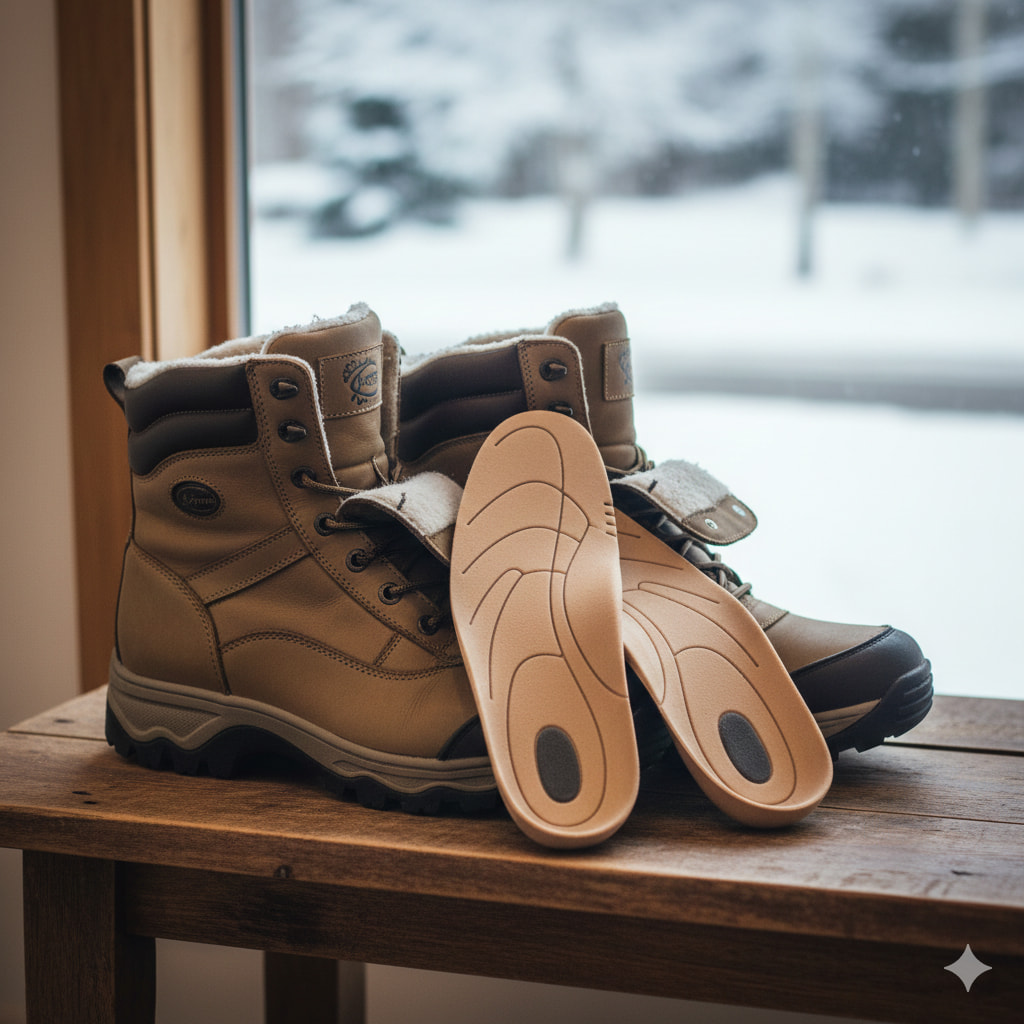
Most winter boots are cozy but lack arch and heel support. Soft liners and flat insoles allow the arch to drop, which pulls on the fascia with every step. Flat-footedness, which occurs in approximately 20 to 30 percent of adults, increases traction on the heel. Therefore, supplementing with firm insoles can assist.
Summer beckons for extended runs, hikes, and team sports. Distance or hills that are sudden jumps increase overuse risk, particularly if you don’t have rest days. Hard work without downtime is associated with plantar fasciitis, so schedule easy days following tough workouts.
Seasonally adjusted. In winter, choose boots with stiff heel counters, midfoot support and good tread. Wear traction devices on icy days. In summer, rotate running shoes, load no more than 10 percent per week, and maintain one whole rest day. All year round, keep hydrated with about 8 to 10 glasses of water a day and consume a balanced diet with calcium for strong bones.
Common Activities
High-impact sports, road running, and spending long hours on your feet are common culprits. Concrete paths and sudden training spikes strain the heel. Jobs that involve heavy lifting or continual walking compress and shear at the heel pad and Achilles.
Add a short routine: calf and plantar fascia stretches, single-leg balance, foot intrinsic work (towel curls), and eccentric heel drops. Two to three sets, three to five days a week can help inoculate against stress and foster hardiness.
Shoes count. Select well-fitting shoes with good arch support and a firm heel. Exchange battered pairs at approximately 600 to 800 kilometers. Diabetics require tighter monitoring, moisture management, and blister avoidance. While activity every day supports health, guard rest days to recover.
Urban vs. Rural
City walkers deal with extended miles of unforgiving pavement, pinching flats, and sardine-packed subways. These cause impact and toe cramping that result in plantar fasciitis, metatarsalgia, and Achilles problems.
Country schedules like rolling hills, muck and the weight of a robust boot. That unbalanced burden can aggravate the heel and peroneal tendons. Rigid boots can chafe and alter gait. Access to podiatrists, advanced imaging, shockwave therapy and custom orthoses is often easier in the city, while rural residents are more likely to lean on primary care and endure longer wait times. Home programs and well-fitted insoles become king.
Match care to environment. Urban: Consider cushioned shoes for concrete, wider toe boxes, and midfoot support. Rural: Use stable boots with supportive insoles and rockered soles for long days, plus traction for fields and trails. In all settings, lifestyle choices shape outcomes. Proper footwear, steady training, healthy diet, and hydration help lower pain, while those with diabetes need regular checks and prompt care.
The Professional Diagnosis Process
Professional diagnosis begins with a systematic workup. Clinicians map symptoms to causes, rule out look-alike conditions, and match treatment to the exact source. A comprehensive initial visit, including history, physical exam, biomechanics, and imaging when indicated, dictates the plan.
Physical Exam
Providers begin with a focused history: pain timing on first steps, recent activity spikes, prior injuries, footwear, and systemic issues. Palpation identifies sensitive areas at the plantar fascia origin, Achilles insertion, or calcaneal edges. They examine swelling, warmth, callus patterns, and any deformity like flatfoot or cavus foot.
Range-of-motion testing follows. The ankle and big toe are moved to gauge flexibility, with calf stretch tests like Silfverskiöld to spot tightness. Gait is observed for limp, shortened stride, or early heel rise. Simple maneuvers such as dorsiflexion with toes extended can reproduce plantar fascia pain.
Clues pointing toward plantar fasciitis are stabbing pain in the bottom of the heel on first steps, tenderness at the medial calcanial tubercle, and tight calves. Heel spur syndrome relies on bony point tenderness and imaging confirmation. Red flags for other issues include nerve symptoms, diffuse swelling, or pain with side-to-side heel squeeze. Gentle joint mobilization or soft-tissue release can both calm symptoms and sharpen the diagnosis on day one.
Biomechanical Assessment
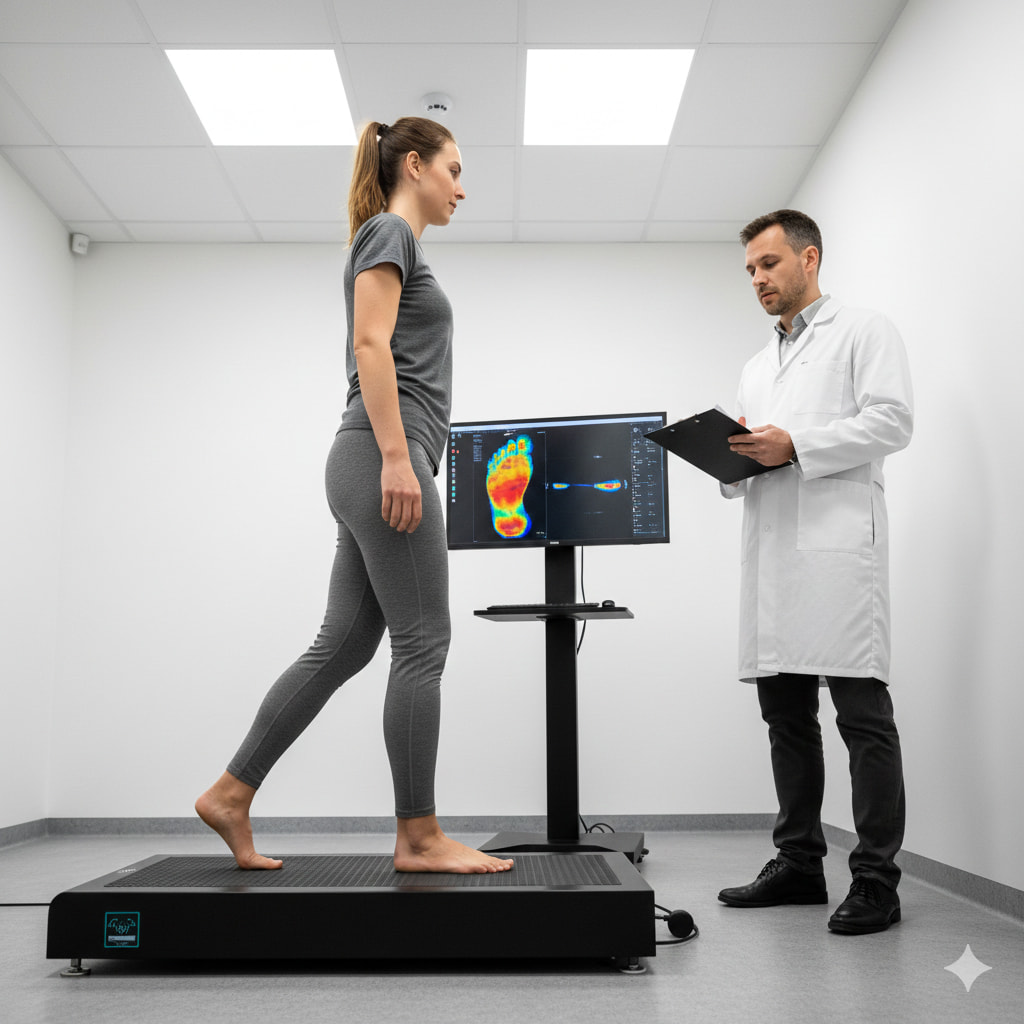
Clinicians learn to study the foot mechanics of movement because mechanics fuel chronic load. Arch height, rearfoot motion, and midfoot collapse are examined both while standing and walking. Footmaxx pressure mapping and in-shoe sensors may uncover high medial heel pressures, delayed heel-off, or asymmetric loading that is invisible to the eye.
Calf length and Achilles tendon integrity are reviewed, as tightness transfers strain to the plantar fascia. We screen limb alignment, knee rotation, and hip control. Poor proximal control can overload the heel.
-
Excess pronation causes prolonged inward roll that strains fascia with each step.
-
Rigid high arch: poor shock absorption spikes heel impact.
-
Calf tightness: limited dorsiflexion hikes plantar tension.
-
Forefoot varus or leg length gap: uneven load drives chronic microtrauma.
-
Weak intrinsic foot muscles provide less support to the arch under load.
Advanced Imaging
X‑rays are used when a stress fracture, bone spur, or other bony issue is suspected. Ultrasound can show plantar fascia thickening, partial tears, or bursitis in real time. MRI is reserved for complex cases, persistent pain, or to evaluate soft tissue tears, nerve entrapment, or arthritis.
Imaging validates heel spurs and separates incidental spurs from true pain drivers. It helps confirm plantar fascia tears. It can reveal additional issues such as fractures or inflammatory arthritis that alter treatment.
Results guide plans: load management, ice, stretching, orthotic insoles or custom orthotics, night splints, and gait changes over months to a year. Surgery is an option if all conservative care fails and life remains limited.
Modern Heel Pain Treatment
Our care plans combine easy home measures with in-clinic treatments to reduce pain, accelerate healing, and decrease the likelihood it returns. Selection is based on etiology, chronicity, and objectives.
Foundational Care
Begin with rest, ice for 10 to 15 minutes, 2 to 3 times a day, and gentle calf and plantar stretches. Roll your foot over a ball for 1 to 2 minutes to relieve tight tissue.
Choose shoes with a cushioned midsole, slight heel lift of 10 to 12 mm, and a stiff heel counter. These features minimize pull on the plantar fascia and Achilles. A minimally elevated heel can assist with heel spurs by reducing tendon tension.
OTC insoles with arch support and shock absorb pads can distribute load and cushion impact. Seek semi-rigid support and not just soft foam.
Do short, steady exercises 4 to 5 days a week: calf raises, towel curls, and ankle mobility drills. Advance load cautiously and eliminate sharp ache; light soreness is okay.
Advanced Therapies
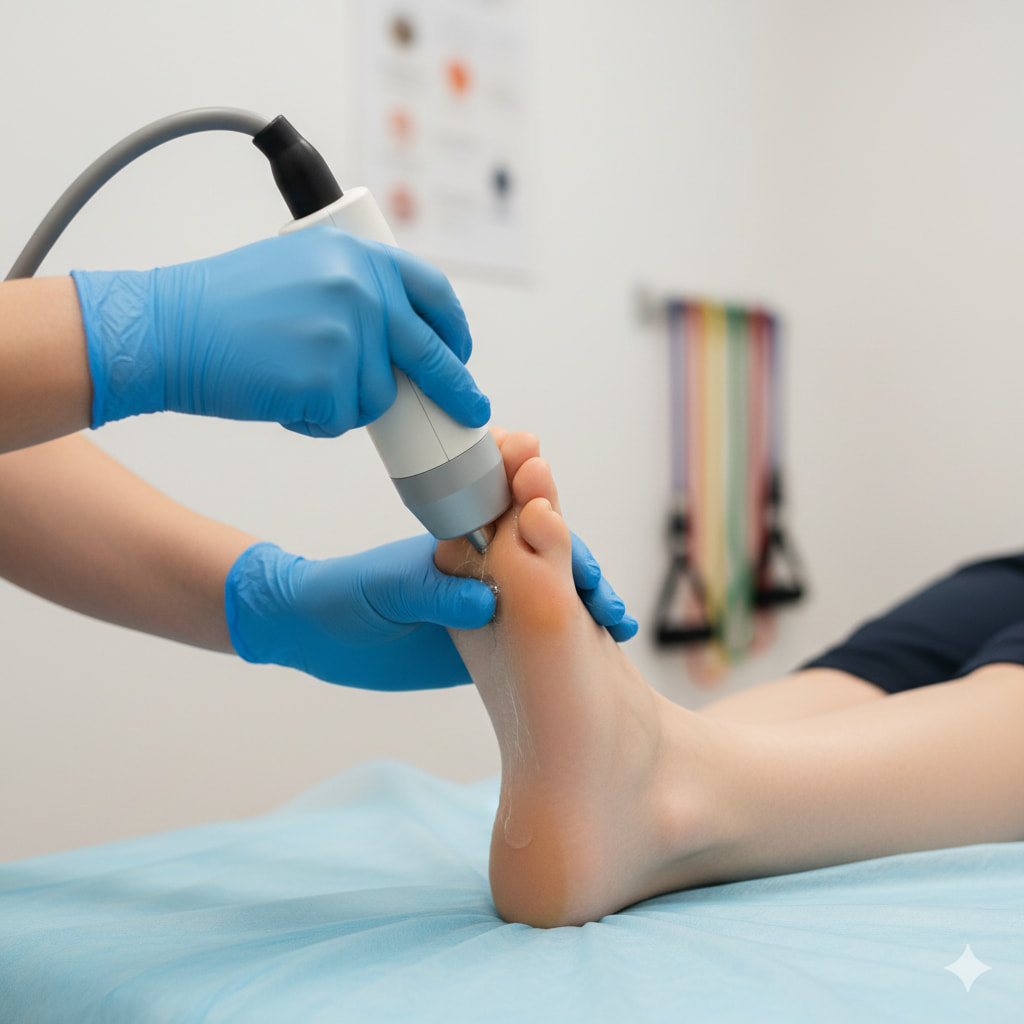
Soft tissue release, joint mobilization, and therapeutic massage can all loosen stiff calf muscles and the plantar fascia, often relieving morning pain. For most, conservative care, including physiotherapy, intelligent footwear, and lifestyle shifts, delivers robust relief.
Targeted physio builds strength and reduces inflammation through graded loading, taping, and ultrasound. Chiropractic care can enhance foot and ankle mechanics with joint work and movement retraining.
Nonsteroidal anti-inflammatory drugs reduce short-term pain. Corticosteroid injections are occasionally an option for severe flare-ups and are used sparingly due to risk to surrounding tissue.
Shockwave therapy is non-invasive and delivers acoustic waves deep into tissue to increase blood flow, promote collagen, shatter scar tissue or calcification, and reduce inflammation and nerve sensitivity. It’s used the most for plantar fasciitis, Achilles tendonitis, and chronic heel pain over 6 months. Sessions are only 15 to 30 minutes, once a week for 3 to 6 treatments. Most observe improvement after just 2 treatments, experiencing significant relief within 4 to 6 weeks. Research finds that 44% to 80% get better.
|
Therapy |
Primary focus |
Typical timeline |
Evidence/notes |
|---|---|---|---|
|
Physiotherapy |
Strength, load, mobility |
6–12 weeks |
Strong base for most cases |
|
Chiropractic care |
Joint mechanics, gait |
4–8 weeks |
Helpful adjunct for alignment |
|
Massage therapy |
Muscle tone, pain |
2–6 weeks |
Short‑term relief; combine with exercise |
Surgery is a last resort for those that haven’t responded to months of care or have obvious structural pathology.
Custom Solutions
Custom foot orthotics fit foot shape and correct bad mechanics that fuel stress. They can offload the medial heel, support the arch, and control motion through stance to inhibit micro-tears.
Modify footwear when pain is focal or there is a deformity. Use a deeper heel cup, a rocker sole to reduce heel strike load, and a slight heel lift to ease plantar fascia and Achilles pull. Custom top covers can minimize shear at painful points.
Follow-ups monitor wear patterns and pain trends. Tweak orthotics and shoes as activity increases to maintain gains and avoid relapse.
Beyond the Symptoms: A Holistic View
Heel pain requires more than fast solutions. A holistic lens examines the entire person—body, mind, and spirit—to discover what fuels the pain and what perpetuates its return. With approximately 75% of people experiencing foot complications and the risk increasing between the ages of 40 and 60, holistic care is not a luxury. It is intelligent prevention and enhanced healing.
A detailed initial visit examination establishes the pace. It should examine medical history, training load, work demands, footwear and previous injuries, then chart pain patterns and function. A targeted exam tests ankle mobility, calf and hip strength, foot alignment, and walking pattern. The objective is to differentiate common culprits such as plantar fasciitis, heel spurs, nerve irritation or stress overload from long hard floors. This insight directs a strategy that addresses the underlying issue, not just the tender point.
Physiotherapy grounds recovery in load pacing and tissue calming. Beyond the symptoms in early care, manual therapy, taping and offloading pads settle symptoms so walking and standing are less painful. Once the main dysfunction is under control, add simple, specific work: calf and plantar fascia stretches for 20 to 30 seconds several times daily, slow heel raises for both legs and then single-leg, big-toe mobility, and hip abductor strength. These moves develop capacity so the foot can handle everyday stress. Evidence-based options like shockwave therapy can reduce pain and accelerate function when combined with exercise, footwear modifications, and activity modifications.
Daily habits tend to tip the scale. A minor weight fluctuation decreases force through your heel at each step. Even five kilos can add up over hundreds of thousands of steps per day. Of course, posture and gait cues assist as well. Shorter strides, midfoot strike on long walks, and smoother push-off are important. Rotate supportive shoes, use hard, not squishy, insoles, and replace pairs after around 500 to 700 kilometers of wear. Replace high-impact days with low-impact cross-training, like cycling or swimming, while the heel settles.
Care comes into its own as a collaborative endeavor. In Edmonton, seek out seasoned physiotherapists, chiropractors, and podiatrists that share notes, synchronize objectives, and evaluate progress every 2 to 4 weeks. Expect clear benchmarks: less morning pain, longer pain-free standing, stronger single-leg heel raises, and steady return to sport or work. This connected solution minimizes flares and promotes sustained foot health.
Your Path to Lasting Relief
Lasting relief begins with a straightforward diagnosis and a day-to-day sustainable plan.
Plantar fasciitis and heel spurs are frequent companions, but they’re not identical. Plantar fasciitis is soft-tissue overload: the plantar fascia gets irritated where it meets the heel. Pain is acute with first steps in the morning or after extended sitting, then subsides as you walk. A heel spur is a bony outgrowth visualized on X-ray. It might be painless and serendipitous. Both can hurt in the same spot and feel worse after long walks or runs, but the source differs: fascia strain versus bone change. Why it matters: the best care targets the fascia and calf-ankle chain, not the spur alone. Most respond to rest, ice, daily calf and plantar stretches, and orthotic insoles that support the arch and alleviate strain. Certain people are a lot better in weeks with consistent treatment; others require a few months. Adding high-load strength work for the calf and foot has demonstrated strong long-term results by increasing tissue capacity. A simple example is seated calf raises with slow lowers, three to four sets, two to three times per week, progressed over time.
Experience care at Edmonton Foot Clinic that is based on your activity, job and goals. The team goes over your history, examines foot mechanics, ankle range and gait, and if necessary, may order imaging. Plans blend short-term relief with long-term change: ice and load management in the acute phase, progressive stretching and strengthening, shoe advice that fits local weather needs, and custom or prefabricated orthotics when indicated. Night splints are recommended for recalcitrant, 12-month-plus pain, as maintaining the foot in gentle dorsiflexion can reduce morning steps by stretching the fascia and calf during sleep. Footwear guidance is practical: buy shoes later in the day when feet are a bit swollen, seek a firm heel counter, midfoot support, and room in the toe box. Conservative care assists the majority to completely recover within months.
If pain lingers, spikes, or limits work or sport, seek help early. A clinician can fine-tune load, correct form, and rule out other causes like nerve entrapment or stress injury. Early care can speed recovery and prevent long-term issues. Contact Edmonton Foot Clinic to book an assessment and start a clear, step-by-step plan for lasting relief and strong, capable feet.
Conclusion
Heel pain stalls work, sport, and daily life. Specific actions aid. Identify the pain generator. Match the cure to the culprit. Record what works with easy notes. Little victories pile up quickly.
Edmonton throws in cold, ice, those long drives and hard floors. Gear and habits have to match that scene. Warmed boots with firm heel cups do the trick. Grip soles prevent slips. Short breaks at work reduce load.
Care gets done quickly with a firm plan. Begin with a pro exam. Include load shifts, foot drills, and shoe modifications. Apply protective measures such as taping or night splints as necessary. Review progress each week. Make quick adjustments.
Need next steps Edmonton? Schedule a foot check at a nearby clinic, request a gait scan, and establish your 4-week plan today.
Frequently Asked Questions
What causes heel pain, and how do I know what type I have?
Heel pain can be caused by plantar fasciitis, Achilles tendinopathy, heel spurs, or nerve irritation. A clinician distinguishes the cause by the location of pain, onset, morning stiffness, activity load, and footwear history. An exam, gait analysis, and if necessary, imaging confirm the diagnosis.
How does Edmonton’s climate and lifestyle affect heel pain?
Frosty winters, slick sidewalks and excessive indoor sport can cause additional stress, falls and load shifts. Hard surfaces and weighted winter boots alter foot mechanics. Seasonal shifts in activity can flare symptoms. A local clinician tailors prevention and treatment to these factors.
When should I see a professional for heel pain in Edmonton?
Get treatment if it persists more than two weeks, limits walking, is sharp during first steps, or follows an activity spike. Get help if you have swelling, numbness, or night pain. Early evaluation accelerates healing and avoids chronic problems.
What does a professional diagnosis involve?
Anticipate a history review, palpation, range-of-motion and strength tests, and a gait analysis. Clinicians look at footwear and training load. Ultrasound or X-ray may be used to exclude tears, spurs, or stress fractures. This guarantees focused, efficient care.
What are modern treatments for heel pain?
Treatment can involve load management, specific exercises, taping, shockwave therapy, orthotics, and footwear modifications. Short-term pain relief can use ice and anti-inflammatories if indicated. Injections are for specific cases. Surgery is uncommon and is only considered after conservative treatment has been unsuccessful.
How long until I feel relief?
Most notice relief within 2 to 6 weeks of diligent treatment. It can take 8 to 12 weeks or more to fully recover, depending on the severity and your activity goals. A graded plan and appropriate footwear accelerate results and minimize recurrence.
How can I prevent heel pain from coming back?
Keep your calf and foot muscles strong, transition into increases in activity gradually, rotate supportive shoes and replace them at the first sign of wear. Warm up pre-sport, cool down post, and track training load. Use orthotics or inserts if recommended. Treat young twinges before they drown.
Looking for specialized care? Visit our Edmonton foot clinic to explore all available services
You can also browse these resources for added information
Importance of Maintaining Mobility for Long-Term Health.
Foot Care Instructions for Home Recovery