
Nail Fungos (Onychomycosis)
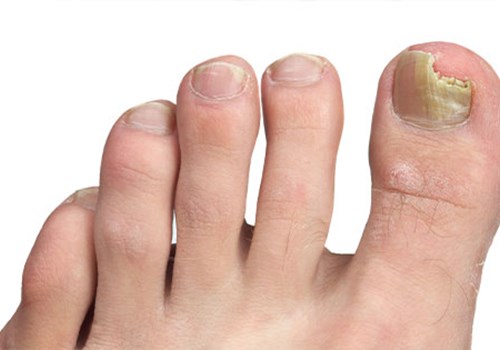
Nail fungus, also called onychomycosis, is a common condition estimated to affect up to 10% of the population worldwide. It can cause nails to become yellow or discolored. As the infection advances the nail can become thick, brittle and separate from the nail bed. It can also cause pain when wearing shoes or walking.
Nail Fungus Treatment
There are a variety of nail treatments that we here at Step Ahead offer, our clinics across the greater Edmonton area are committed to the highest quality treatment and the most cutting edge technology to ensure you walk pain free again.
 What is GenesisPlus?
GenesisPlus is a Nd:YAG 1064nm laser that has been cleared* to be both a safe and effective solution for the treatment of nail infection (onychomycosis), more commonly known as toenail fungus. This laser is also a safe and effective treatment for scar reduction and warts.
Where does nail infection come from?
Nail infection is caused by contact with dermatophytes which are everywhere in our environment. Common sources of infection include swimming pools, public showers, gyms and nail spas. Tight fitting shoes and nail trauma can also lead to infection. Genetic susceptibility, poor health and increasing age are also factors the risk of nail infection.
What are the symptoms of nail infection?
You may suffer from nail infection (onychomycosis) if you have one or more of the following symptoms:
- Discoloured nails
- Yellow streaks under the nails
- Brittle, crumbly or ragged nail
- Nails separated from the underlying skin
- Buildup of debris (nail fragments, skin) under the nail
- White spots or streaks on the nail surface
Gensis Plus Video
Not finding what you're looking for? Here are some of our most searched for podiatry services.
Additional Resources:
Foot Related Resources:
Step Ahead Podiatry Is Committed To Helping You Gain The Freedom To Walk Pain Free Again...
What causes toenail fungus infections?
Toenail fungus (onychomycosis) is caused by fungal organisms such as dermatophytes, yeasts, or molds that invade the nail through small cracks in the nail or surrounding skin. Warm, moist environments like sweaty shoes or public showers significantly increase risk. Poor foot hygiene, weakened immunity, and minor trauma to the nail also contribute. Once the fungus enters, it spreads slowly under the nail plate, feeding on keratin and gradually causing discoloration, thickening, and nail distortion over time.
How do I know if I have nail fungus or another nail condition?
Nail fungus typically causes yellow, brown, or white discoloration, thickened nails, brittleness, and crumbling edges. In contrast, traumatic nail injuries often show sudden discoloration or bruising without gradual thickening. Psoriasis or eczema can also affect nails but usually include skin symptoms elsewhere. A definitive diagnosis often requires a podiatrist to examine the nail and sometimes take a sample for lab testing. This is important because treatment differs significantly depending on the cause.
Is nail fungus contagious between people?
Yes, nail fungus can be contagious, but transmission usually requires prolonged exposure. It spreads through direct contact or shared contaminated surfaces such as shower floors, socks, shoes, or nail tools. However, not everyone exposed will develop an infection—individual risk depends on immune health and nail condition. Walking barefoot in public areas increases risk. Proper hygiene, disinfecting footwear, and avoiding shared personal items significantly reduce the chance of spreading or contracting the infection.
What is the most effective treatment for nail fungus?
The most effective treatment for nail fungus is usually prescription oral antifungal medication such as terbinafine, which targets the infection from within the body. Topical treatments and laser therapy may also be used, but they often work more slowly or are less effective for severe cases. In some situations, a combination approach is recommended, including nail debridement (thinning the nail) and topical agents. Treatment success depends on severity, consistency, and how early the infection is addressed.
How long does it take to cure toenail fungus?
Toenail fungus treatment is slow because nails grow gradually. Even after the fungus is eliminated, the damaged nail must fully grow out, which can take 6 to 12 months or longer for toenails. Oral medications may show improvement within a few months, but complete cosmetic recovery takes time. Severe infections may take longer, especially if multiple nails are affected. Patience and consistent treatment are essential for full resolution and healthy regrowth.
Can nail fungus come back after treatment?
Yes, nail fungus can return even after successful treatment. Reinfection is common because fungal organisms remain in the environment, including shoes, socks, and communal areas. If underlying risk factors such as sweaty feet, poor footwear, or immune issues are not addressed, recurrence is more likely. Preventive care like keeping feet dry, disinfecting shoes, and maintaining proper hygiene significantly reduces the risk of recurrence after treatment.
Are laser treatments effective for nail fungus?
Laser treatments for nail fungus can help reduce fungal load and improve nail appearance, but scientific evidence shows mixed results regarding complete cure rates. Some studies suggest improvement in nail clarity, while others show limited long-term eradication compared to oral medications. Laser therapy works by heating and damaging fungal structures under the nail, but multiple sessions are usually required, and recurrence is still possible. It is often used as part of a combined treatment plan rather than a standalone cure.
What are early signs of fungal nail infection?
Early signs of fungal nail infection include subtle changes such as white or yellow spots on the nail, slight thickening, dullness, and loss of natural shine. As it progresses, the nail may become brittle, distorted, or start separating from the nail bed. Many patients initially ignore symptoms because there is no pain in early stages. However, early treatment is important because the infection spreads slowly but steadily if left unmanaged.
Does nail fungus affect diabetic patients more seriously?
Yes, nail fungus can be more serious in diabetic patients because reduced circulation and nerve damage make it harder for the body to fight infection. Even minor fungal infections can increase the risk of skin breakdown, ulcers, and secondary bacterial infections. For this reason, diabetic patients are advised to seek early podiatric care. Regular monitoring and prompt treatment are essential to prevent complications that could affect mobility and overall foot health.
Can fungal nails be permanently cured?
Fungal nails can often be effectively treated and cleared, but a “permanent cure” is difficult to guarantee because reinfection is always possible. Successful treatment removes the active infection, but new exposure to fungi can cause recurrence. Long-term success depends on proper treatment, hygiene habits, footwear choices, and managing underlying risk factors. Many patients achieve long-lasting results, but ongoing preventive care is essential to maintain healthy nails and reduce recurrence risk.