See below for a list of orthotics we offer.
What types of orthotics do you offer?
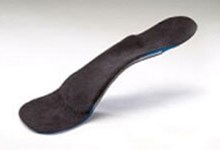
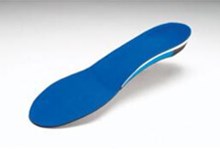
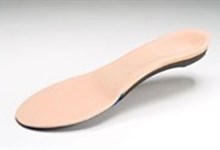
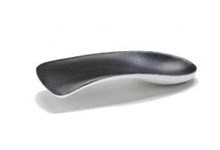
We offer several types of custom orthotics designed to meet different lifestyles, footwear requirements, and medical conditions. These include Dress Orthotics for women, Sport Orthotics, Diabetic Orthotics, Slimflex Orthotics, Custom Skate Orthotics, and the Richie Brace®. Each device is designed to address specific biomechanical concerns while providing comfort, support, and improved foot function. During your assessment, a podiatrist can recommend the most appropriate orthotic based on your foot structure, daily activities, footwear preferences, and treatment goals.
What are dress orthotics and who can benefit from them?
Dress orthotics are custom-made orthotic devices designed to fit into women's dress shoes while still providing effective support and biomechanical correction. Many traditional orthotics are too large for dress footwear, making dress orthotics a practical solution for individuals who need support without sacrificing style. These orthotics can help relieve foot fatigue, arch pain, heel pain, and discomfort caused by prolonged standing or walking. They are customized to the patient's foot structure while maintaining a slim profile suitable for a variety of dress shoe styles.
How do sport orthotics help active individuals and athletes?
Sport orthotics are specifically designed for active individuals, athletes, and people who spend long hours on their feet. They provide additional support, shock absorption, and biomechanical control during physical activities. These orthotics can fit into athletic shoes, hiking boots, work boots, and many casual shoes. By improving foot alignment and reducing excessive motion, sport orthotics may help decrease the risk of overuse injuries while enhancing comfort and performance. They are commonly recommended for runners, walkers, and individuals participating in high-impact activities.
What are diabetic orthotics and why are they important?
Diabetic orthotics are specially designed to reduce pressure points on the feet and help protect individuals with diabetes from complications such as ulcers, skin breakdown, and irritation. People with diabetes may experience reduced sensation in their feet, making it difficult to detect injuries before they become serious. Diabetic orthotics help distribute pressure more evenly across the foot, improve comfort, and minimize areas of excessive friction. As part of a comprehensive diabetic foot care plan, these orthotics can contribute to improved foot health and reduce the risk of preventable complications.
What is the Richie Brace® and what conditions can it help treat?
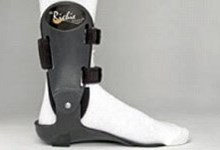
The Richie Brace® is a custom ankle-foot orthosis designed to provide enhanced stability and support for individuals with chronic foot and ankle conditions. It is commonly used to manage issues such as posterior tibial tendon dysfunction (PTTD), ankle instability, ankle sprains, drop foot, severe pronation, and certain degenerative conditions. Unlike many traditional braces, the Richie Brace® combines a custom orthotic footplate with supportive ankle components to improve alignment and mobility. It is often used as a non-surgical treatment option for complex foot and ankle problems.
What are Slimflex orthotics used for?
Slimflex orthotics are designed for individuals who require orthotic support in footwear with limited space. Their low-profile design allows them to fit comfortably into slimmer shoes while still providing important biomechanical support and cushioning. These orthotics are often selected by patients who want the benefits of custom support without the bulk associated with some traditional orthotic devices. They may help improve comfort, reduce foot fatigue, and provide better alignment throughout the day while fitting into a wider range of footwear styles.
How can custom skate orthotics improve skating performance?
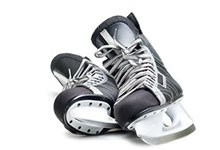
Custom skate orthotics are designed specifically for hockey, figure skating, and recreational skating. They help improve foot stability, increase comfort, and enhance power transfer between the foot and the skate. By supporting the arch and improving alignment, these orthotics can reduce foot fatigue and discomfort while improving control on the ice. Many skaters find that custom skate orthotics help with balance, stride efficiency, and overall skating performance. They can also assist individuals experiencing pain related to previous injuries or biomechanical imbalances.
How are custom orthotics different from store-bought insoles?
Custom orthotics are prescription medical devices created specifically for an individual's foot structure, gait, and biomechanical needs. Unlike store-bought insoles, which provide generalized cushioning, custom orthotics are designed to correct abnormal movement patterns and address underlying causes of pain or dysfunction. They are typically created using detailed assessments and foot scans to ensure a precise fit. This personalized approach allows custom orthotics to provide more targeted support, improved alignment, and longer-lasting benefits compared to generic over-the-counter inserts.
How do podiatrists determine which orthotic is right for me?
Selecting the right orthotic begins with a comprehensive biomechanical assessment performed by a podiatrist. This evaluation may include reviewing your medical history, examining foot structure, assessing gait patterns, and discussing your daily activities and footwear needs. Based on these findings, the podiatrist can recommend an orthotic style that best addresses your condition and lifestyle. Whether you require support for sports, diabetes management, dress shoes, skating, or ankle instability, the goal is to provide a customized solution that improves comfort and function.
Can orthotics help prevent future foot and ankle problems?
Yes, custom orthotics can play an important role in preventing future foot and ankle issues by improving alignment, reducing excessive stress on joints and soft tissues, and supporting proper biomechanics. By correcting abnormal movement patterns, orthotics can help decrease the likelihood of overuse injuries, chronic pain, tendon strain, and certain structural problems. Many patients use orthotics not only to manage existing symptoms but also to maintain long-term foot health. Consistent use, combined with proper footwear and regular foot care, can contribute to better mobility and overall comfort.