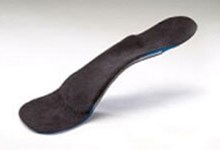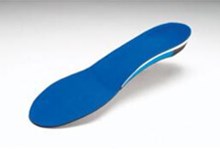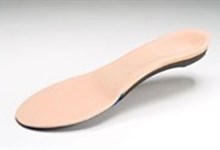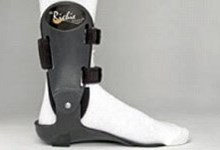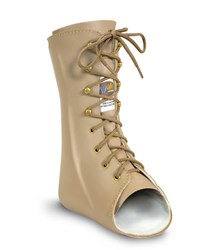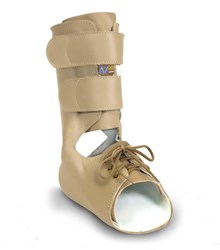
What is an Orthotic?
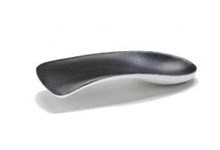
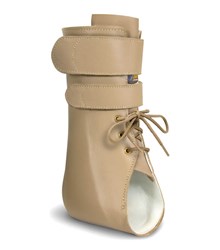
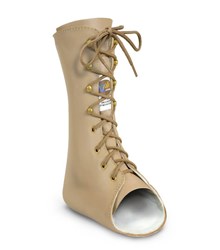
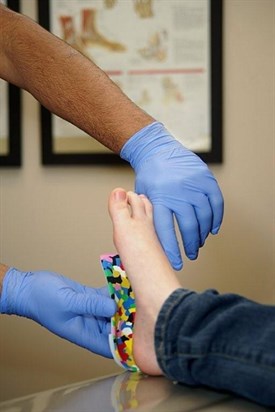 An orthotic is a prescription device used to correct biomechanical abnormalities, treat foot pathology, alleviate pain and improve gait. There are many commercially-made devices, such as cushioned heel cups or prefabricated insoles for shoes sold over the counter in drug stores or other retail establishments that are simple comfort devices and not technically orthotics.
Prescription orthotics are created using our new state of the art 3-dimensional scanner. This method has low environmental impact and takes only moments to complete. To date, this method is still the most effective as it is non-weight bearing. These scans are sent to a laboratory where an orthotic is created that balances out deformities and corrects misalignments according to a doctor's prescription.
The orthotics are then sized into the patient's shoe to support the foot and correct abnormal foot biomechanics by keeping the foot in its proper position. Orthotics are available in a variety of styles to fit various shoes, with a number of added options to suit each individual need.
Step Ahead offers leading edge treatment approaches and clinical facilities to treat bunions as well as all other foot ailments such as ingrown toenails and offers common foot surgery procedures.
Frequently Asked Questions
What are custom orthotics and how do they work?
Custom orthotics are prescription medical devices designed to fit inside your shoes and support your feet based on your unique structure and movement patterns. Unlike generic insoles, they are created using a detailed assessment of your foot shape, alignment, and gait. They work by redistributing pressure, correcting abnormal motion, and improving overall biomechanics. This helps reduce strain on muscles and joints, improve walking efficiency, and relieve pain caused by conditions like plantar fasciitis or flat feet.
How do I know if I need orthotics for foot pain?
You may need orthotics if you experience persistent foot pain, fatigue, or discomfort during walking or standing. Common signs include heel pain, arch pain, uneven shoe wear, or frequent ankle sprains. People with flat feet, high arches, or poor gait mechanics often benefit the most. If pain extends to your knees, hips, or back, it may also indicate a biomechanical imbalance. A podiatrist can assess your condition and determine whether orthotics are the right solution for long-term relief and support.
What conditions can orthotics help treat effectively?
Orthotics are effective for a wide range of foot and lower limb conditions. These include plantar fasciitis, flat feet, high arches, bunions, tendonitis, arthritis, and diabetic foot complications. They also help manage overuse injuries such as stress fractures and metatarsalgia. By improving alignment and reducing pressure, orthotics not only relieve pain but also prevent further damage. They are commonly recommended for both chronic conditions and injury prevention in active individuals.
How are custom orthotics made for each patient?
Custom orthotics are made through a multi-step clinical process. It begins with a biomechanical assessment, where a podiatrist evaluates your foot structure, movement, and walking pattern. This may include gait analysis and pressure mapping. A mold or digital scan of your feet is then taken to capture precise measurements. The orthotics are manufactured based on this data and later fitted to ensure comfort and effectiveness. Adjustments may be made after fitting to optimize support and performance.
Are orthotics better than store-bought insoles?
Custom orthotics are generally more effective than store-bought insoles because they are tailored to your specific foot mechanics. While over-the-counter insoles provide basic cushioning, they do not address underlying alignment issues. Custom devices are designed to correct biomechanical problems, redistribute pressure, and provide long-term support. This makes them especially beneficial for chronic pain or structural conditions. However, mild discomfort may sometimes be managed with quality prefabricated insoles depending on the situation.
How long does it take to adjust to wearing orthotics?
Most patients take between a few days to a few weeks to fully adjust to wearing orthotics. Initially, you may feel slight discomfort as your body adapts to improved alignment and movement patterns. Gradual wear is typically recommended, starting with a few hours per day and increasing over time. As your muscles and joints adjust, discomfort usually subsides, and you begin to notice improved comfort, stability, and reduced pain during daily activities.
Can orthotics help with knee, hip, or back pain?
Yes, orthotics can help relieve knee, hip, and even lower back pain by correcting alignment at the foundation of the body—the feet. Poor foot mechanics can cause imbalances that travel up the kinetic chain, affecting joints and posture. By improving alignment and reducing abnormal movement, orthotics help distribute forces more evenly. This reduces strain on joints and muscles, leading to improved comfort and better overall body mechanics during movement.
How often should orthotics be replaced or updated?
Custom orthotics typically last between 1 to 3 years depending on usage, activity level, and material quality. Over time, wear and tear can reduce their effectiveness. Additionally, changes in your foot structure, weight, or activity level may require updates or adjustments. Regular check-ups with a podiatrist help ensure your orthotics continue to provide proper support and alignment. Replacing them at the right time helps maintain optimal foot health and prevent recurring issues.
What is a biomechanical assessment before orthotic fitting?
A biomechanical assessment is a detailed evaluation of how your feet, ankles, and lower limbs function during movement. It includes examining foot structure, joint mobility, muscle strength, and walking patterns. Gait analysis is often part of this process, helping identify issues like overpronation or uneven weight distribution. This assessment allows the podiatrist to understand the root cause of pain and design orthotics that specifically address your unique biomechanical needs.
Are orthotics effective for sports performance and injury prevention?
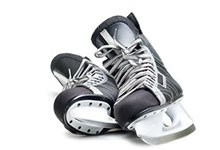
Orthotics can significantly improve sports performance and reduce injury risk when properly prescribed. They enhance stability, improve alignment, and optimize movement efficiency, allowing athletes to perform with better control and less strain. By redistributing pressure and absorbing shock, orthotics help prevent common overuse injuries such as tendonitis and stress fractures. They are especially beneficial for runners and high-impact athletes who place repetitive stress on their feet and lower limbs.