
Save your soles from Bunions!
Bunions (scientific name: Hallux Abducto Valgus), despite being known to be a common foot deformity has lot of misconceptions about it. Ironically, people unaware of it continue to writhe in pain for long time (sometimes 'years') before being diagnosed with it and going for treatment.
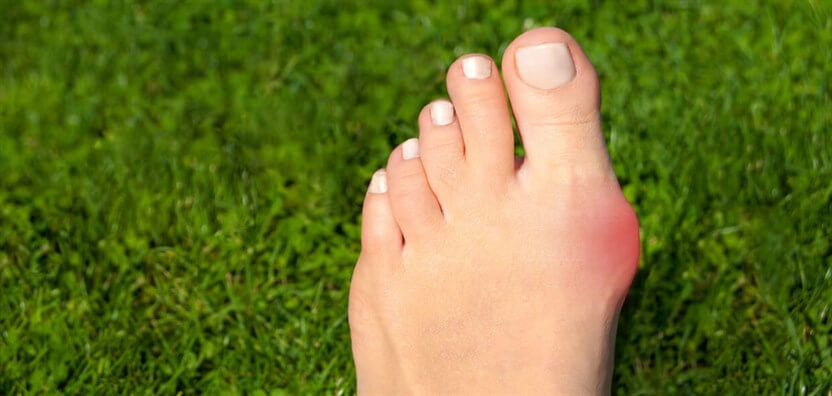
What is a Bunion?
For a layman, bunion is nothing but a visible bump on the side of the big toe. However, there is more to this foot deformity than what meets the eye. The bump originally represents the altering bony framework of the front part of the foot. With passage of time, the affected toe starts leaning towards the other toe. Thereafter the bones start falling out of alignment and the bump surfaces.
A progressive foot problem, bunions on being ignored continuously results in gradual alteration of bones turning into a prominent bump in later years. Unfortunately for Patients of Bunions, symptoms start showing quite late which only gets worse with passage of time. Interestingly, in some cases, symptoms don't surface at all.
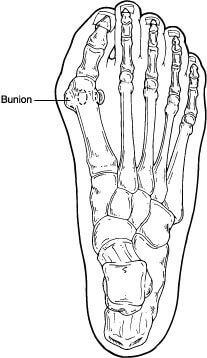 What causes a Bunion?
Apparently, inheritance of flawed mechanical foot structure is known to be one of major causes of Bunions. This however should not be understood that Bunions can be inherited. Factually speaking, it is not this medical problem but the inheritance of certain foot types that makes a person eligible to become a patient of bunion.
Here it is important to clarify that wearing shoes don't actually cause bunions. However, it certainly can aggravate the deformity.
Symptoms of Bunions
Patients of Bunions can often be seen complaining of suffering from Pain or soreness at the site. Apart from that, burning sensations, numbness, inflammation and redness in the affected area are other common symptoms noticed in the patients struggling with this form of foot deformity.
Interestingly, tight toe box shoes or high heels easily give way for Bunion. This automatically explains why fairer sex is comparatively more prone to Bunions than the darker sex.
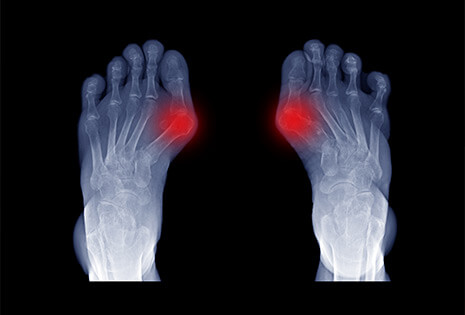
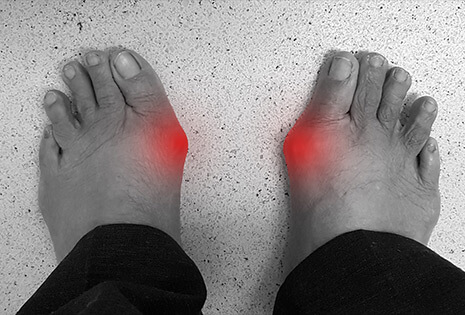
What is a bunion?
A bunion is a progressive foot deformity that develops at the joint where the big toe meets the foot. It appears as a bony bump on the side of the foot and occurs when the big toe gradually shifts toward the smaller toes. Over time, this misalignment causes changes in the structure of the foot and can lead to discomfort, difficulty wearing shoes, and reduced mobility. Although many people initially view bunions as a cosmetic concern, they can become increasingly painful and may affect daily activities if left untreated.
What causes bunions to develop?
Bunions are often associated with inherited foot structure and biomechanics rather than a specific injury or activity. Certain foot types may place increased stress on the big toe joint, making a person more susceptible to developing a bunion over time. While footwear does not directly cause bunions, shoes that are narrow, tight, or place excessive pressure on the toes may accelerate the progression of the deformity. Other contributing factors can include arthritis, abnormal foot mechanics, and repetitive stress on the forefoot during daily activities.
What are the common symptoms of a bunion?
Common bunion symptoms include a visible bump at the base of the big toe, pain around the affected joint, redness, swelling, and tenderness. Some patients experience a burning sensation, numbness, or discomfort when wearing certain shoes. As the deformity progresses, the big toe may begin to overlap or crowd neighboring toes, causing additional irritation. Symptoms often develop gradually and may worsen over time. In some cases, individuals may have a noticeable bunion without experiencing significant pain or discomfort.
Do bunions get worse over time?
Yes, bunions are generally considered a progressive condition, meaning they often become more noticeable and potentially more symptomatic over time. As the alignment of the big toe continues to shift, the joint may become increasingly prominent and uncomfortable. Without proper management, the deformity can contribute to additional foot problems, including toe crowding, callus formation, joint stiffness, and difficulty finding comfortable footwear. Early evaluation and treatment can help manage symptoms and may slow the progression of the condition.
Can shoes cause bunions?
Shoes do not directly cause bunions, but certain footwear choices can contribute to the worsening of an existing deformity. Shoes with narrow toe boxes, pointed fronts, or high heels place additional pressure on the forefoot and big toe joint. This pressure can aggravate symptoms and encourage further misalignment over time. Choosing footwear with adequate width, support, and room for the toes can help reduce discomfort and accommodate the foot more comfortably. Proper shoe selection is often an important part of bunion management.
Why are women more likely to develop bunions?
Women tend to develop bunions more frequently than men, partly due to footwear choices that may place greater stress on the forefoot. High heels and shoes with narrow toe boxes can increase pressure on the big toe joint and contribute to symptom progression. However, genetics and inherited foot structure remain major contributing factors regardless of gender. While women are diagnosed more often, men can also develop bunions and experience similar symptoms. Proper footwear and early intervention can help manage the condition in both men and women.
How are bunions diagnosed?
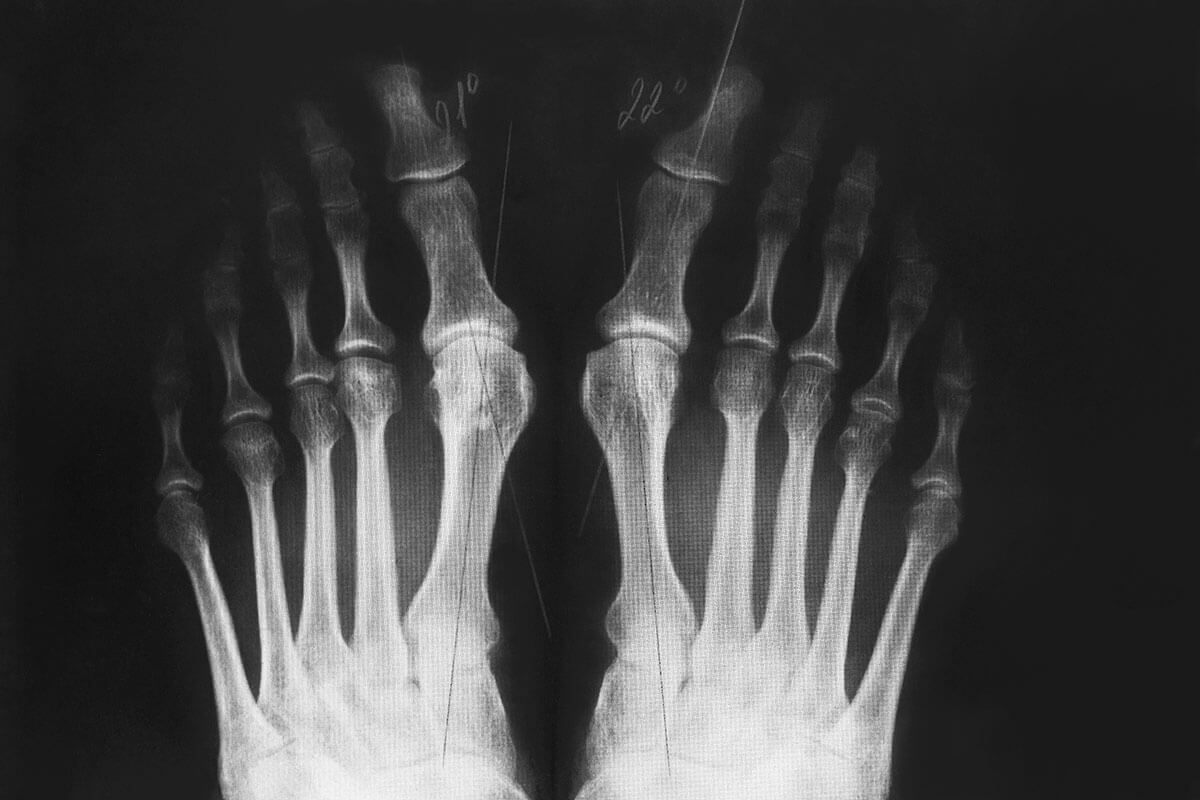
A bunion is typically diagnosed through a physical examination performed by a podiatrist or foot specialist. The provider will evaluate the alignment of the big toe, assess the prominence of the joint, and discuss any symptoms you may be experiencing. In some cases, imaging studies such as X-rays may be recommended to determine the severity of the deformity and evaluate joint alignment. This information helps guide treatment recommendations and provides a better understanding of how the condition may affect foot function over time.
What non-surgical treatments are available for bunions?
Many bunion symptoms can be managed through conservative treatment options. These may include wearing wider shoes, using protective padding, custom orthotics, activity modifications, and other measures designed to reduce pressure on the affected joint. Orthotics can help improve foot mechanics and provide additional support during walking and standing. While conservative treatments generally do not reverse the deformity itself, they can help relieve pain, improve comfort, and slow symptom progression. A podiatrist can recommend the most appropriate approach based on your condition.
When is bunion surgery recommended?
Bunion surgery may be considered when conservative treatments no longer provide adequate relief and the condition significantly affects daily activities or quality of life. Patients who experience persistent pain, difficulty walking, progressive deformity, or challenges finding comfortable footwear may be candidates for surgical correction. The specific procedure depends on the severity of the bunion and the patient's individual needs. A thorough evaluation helps determine whether surgery is appropriate and what treatment approach is most likely to provide lasting improvement.
Can bunions be prevented?
While it may not always be possible to prevent bunions, especially when inherited foot structure plays a role, certain steps may help reduce the risk of symptom progression. Wearing supportive shoes with a wide toe box, avoiding excessive use of high heels, maintaining healthy foot mechanics, and addressing foot problems early can all be beneficial. Regular foot evaluations and prompt treatment of discomfort may also help identify concerns before they become more severe. Taking proactive measures can contribute to improved foot health and long-term comfort.